If you’ve ever stood in the beverage aisle feeling thoroughly confused, you are not alone. Soda and sparkling water are not always the same thing, and using the terms interchangeably can lead to a very unexpected taste experience.
The confusion usually stems from the word "soda" itself, which carries two completely different meanings depending on who you ask:
- Soda as a soft drink: In many regions, "soda" refers to sweet, syrupy, flavored carbonated soft drinks like cola or lemon-lime pop.
- Soda as a mixer: Alternatively, "soda water" (or club soda) refers to plain carbonated water that has been artificially infused with specific minerals.
Understanding the difference between soda and sparkling water comes down to looking past the bubbles and checking the ingredient list. While both beverages offer that satisfying, fizzy sensation, they sit on opposite ends of the spectrum when it comes to health, flavor profiles, and how they are best enjoyed.
In this guide, we will break down the ultimate battle of soda vs sparkling water, diving deep into their distinct ingredients, taste differences, health impacts, and the best scenarios for choosing soda water vs sparkling water. Whether you are looking for the perfect cocktail mixer or trying to kick a sugar habit, here is everything you need to know.
What Is Soda?
When Americans say they are grabbing a soda, they are almost always referring to a flavored carbonated soft drink. Classics like cola, lemon-lime twist, and orange soda dominate this category.
Unlike a refreshing glass of plain sparkling water, standard soda is a heavily processed beverage designed primarily for taste rather than hydration. A typical can of soda is a complex mixture of:
High amounts of sugar or artificial sweeteners (such as high-fructose corn syrup or aspartame)
Acidulants (like phosphoric acid or citric acid) to provide a sharp, tangy bite
Artificial flavorings and synthetic colorings
A common point of confusion for many consumers is assuming that any beverage with bubbles qualifies as "soda." However, the foundational difference between soda vs sparkling water lies in its identity: soda is a flavored, sweetened soft drink, while sparkling water is usually just water with bubbles. If your drink contains added sugars, chemical colorings, and complex syrups, it falls firmly into the soda category, carrying a vastly different nutritional profile than plain carbonated water.
What Is Sparkling Water?
Sparkling water is simply water that has been carbonated with carbon dioxide ($CO_2$) gas to create those refreshing, tongue-tingling bubbles. Depending on how it is sourced, the fizz can occur naturally—such as in mineral springs where volcanic gases carbonate the water underground—or it can be created artificially by forcing pressurized carbon dioxide into purified water.
Unlike traditional soda, standard sparkling water is celebrated for its minimalistic ingredient list. In its truest form, it contains:
- Zero sugar
- Zero calories
- Zero artificial sweeteners
To navigate the beverage aisle effectively, it helps to understand that sparkling water generally falls into two distinct categories:
- Plain Sparkling Water: This is nothing but pure water and carbonation. For everyday hydration, plain sparkling water is often a lighter alternative to sugary soda, giving you the crisp sensation of a fizzy drink without any health compromises.
- Flavored Sparkling Water: These varieties are infused with subtle, fruit-derived essences or natural flavors (like lime, grapefruit, or berry) to enhance the taste without adding a heavy texture.
-
Buyer Beware: When shopping for flavored sparkling water, always read the nutrition facts panel carefully. Some brands market their products as "sparkling water" but quietly sneak in added sugars, high-fructose corn syrup, or artificial sweeteners to mimic the taste of traditional soft drinks. To ensure you are getting a truly healthy beverage, double-check that the ingredient list reads only "carbonated water" and "natural flavors."
Soda vs Sparkling Water: The Main Differences
To understand exactly how these two beverages stack up against each other, it helps to look at them side by side. When comparing traditional sweet soda to sparkling water, the differences in ingredients, nutritional value, and health impact are stark.
The table below breaks down the key characteristics of soda vs sparkling water:
| Feature | Soda | Sparkling Water |
| Main Ingredients | Carbonated water, high-fructose corn syrup/sweeteners, artificial flavors, acids | Purified or natural spring water, pressurized carbon dioxide ($CO_2$) |
| Sugar Content | High sugar or artificial sweeteners (approx. 39g per can) | Usually zero sugar and zero sweeteners |
| Calories | High (typically 140+ calories per can), unless it is a diet version | Zero calories |
| Taste Profile | Intensely sweet, bold, and heavily flavored | Clean, crisp, and neutral (or subtly fruit-essenced) |
| Best Used For | Occasional treat, standalone flavored beverage | Daily hydration, healthy soda alternative, cocktail mixer |
| Health Impact | Regular consumption may contribute to high sugar intake and weight gain | Excellent choice for weight management and dental health if unsweetened |
The Health Angle: Making the Switch
If the "soda" you are used to drinking is a sugary soft drink, making the switch to sparkling water is one of the easiest ways to upgrade your daily health. Choosing soda water vs sparkling water—or swapping sweet cola for a crisp, unsweetened bubbly water—allows you to enjoy the familiar, satisfying throat-hit of carbonation without consuming empty calories or spiking your blood sugar.
It is a common myth that carbonated water is less hydrating than flat water. Research shows that sparkling water hydrates your body just as effectively as plain water. However, it is worth noting that the carbonation can cause minor bloating, gas, or temporary stomach discomfort for some individuals, especially if chugged quickly during or after a heavy meal.
Ultimately, if your goal is cutting down on sugar while keeping your hydration levels up, an unsweetened sparkling water is undoubtedly the superior health choice.
Is Soda Water the Same as Sparkling Water?
This is the most critical distinction of the entire article, as a large percentage of people searching for soda vs sparkling water are actually trying to understand what "soda water" is.
The short answer is no, they are not exactly the same. In the beverage industry, soda water is most commonly referred to and sold as club soda.
While both soda water and sparkling water look identical and share the same foundational characteristic—they are both waters infused with carbon dioxide ($CO_2$) bubbles—their formulas diverge significantly after carbonation. The defining difference between soda water vs sparkling water comes down to invisible ingredients: added minerals.
Unlike standard sparkling water, which aims for a neutral taste, manufacturers intentionally inject specific mineral compounds into soda water to alter its chemical and flavor profile.
Soda Water Usually Has Added Minerals
When producing soda water (club soda), manufacturers typically add a precise blend of alkaline minerals, including:
- Sodium bicarbonate (baking soda)
- Potassium sulfate
- Sodium chloride (table salt)
The addition of these mineral salts gives soda water a distinctly brisk, slightly salty, and "harder" mouthfeel. Because it has a built-in flavor profile that cuts through sugars and acids, soda water is rarely the first choice for plain hydration. Instead, it is highly prized as the ultimate cocktail mixer.
The extra minerals prevent the carbonation from being drowned out when mixed with heavy ingredients, making it the perfect effervescent base for:
- Classic Cocktails: Such as Gin and Tonics, Mojitos, or Tom Collins.
- Highballs: Where the mineral crispness perfectly complements whiskey or vodka.
- Mocktails: Giving non-alcoholic botanical drinks a sharper, more sophisticated bite.
Sparkling Water Tastes Cleaner and Lighter
In contrast, sparkling water delivers a much cleaner, lighter, and more neutral flavor profile. Because it lacks those heavy sodium-based mineral additives, the only thing you taste is the pure water and the natural crispness of the bubbles.
This makes sparkling water the far superior choice for everyday direct drinking. It cleanses the palate without leaving a lingering mineral or salty aftertaste.
For anyone trying to break an unhealthy habit, unsweetened sparkling water serves as the perfect, guilt-free alternative to bottled soda. It satisfies the psychological craving for a cold, fizzy, cracking can of pop, but feeds your body zero sugar, zero calories, and zero artificial sweeteners.
Club Soda, Seltzer, Sparkling Water, and Tonic Water: Quick Guide
Walk into any supermarket beverage aisle, and you will be confronted with a dizzying wall of effervescent options. Beyond the standard debate of soda vs sparkling water, you will see labels flashing terms like "Seltzer" and "Tonic Water."
While they all look like clear, bubbly liquids from the outside, they are chemically distinct beverages with vastly different flavor profiles and purposes. To help you grab the right bottle every single time, here is a quick, comprehensive breakdown of how these four major carbonated waters compare.
The Fizzy Water Comparison Table
Understanding the difference between soda water vs sparkling water, seltzer, and tonic water comes down to checking for added minerals, sugars, and flavoring agents.
| Drink | What It Means | Taste Profile | Best Use |
| Sparkling Water | Carbonated water (natural or artificial) with zero added sugars or minerals. | Clean, neutral, and light. | Daily drinking, healthy soda alternative. |
| Soda Water / Club Soda | Carbonated water infused with added mineral salts (like sodium bicarbonate). | Slightly salty, crisp, and alkaline. | Craft cocktails, highballs, and mocktails. |
| Seltzer | Purified water artificially injected with $CO_2$ gas; contains no added minerals. | Ultra-clean, neutral, and sharp. | Daily hydration or as a flexible cocktail mixer. |
| Tonic Water | Carbonated water infused with bitter quinine, sweeteners, and citric acid. | Distinctly bitter and highly sweetened (like a soft drink). | Classic Gin and Tonics, vodka tonics. |
Navigating the Long-Tail Labels
To maximize your shopping efficiency—and avoid accidentally ruining a recipe—keep these distinct characteristics in mind:
- Seltzer is the closest relative to plain sparkling water. Because it contains absolutely zero mineral additives, it provides a blank canvas. If you want a bubbly hydrator that won't alter the flavor of your lime squeeze or fruit juice, seltzer is your go-to option.
- Tonic water is closer to a sugary soft drink than water. This is the most dangerous trap for health-conscious consumers. Because of the bitter taste of quinine (a compound historically used to prevent malaria), manufacturers pack tonic water with high-fructose corn syrup or sugar to make it palatable. A single can of tonic water can contain just as many calories and grams of sugar as a standard cola.
By understanding these nuances, you can easily select the perfect effervescent match for your health goals or your next bartending experiment.
Which Is Healthier: Soda or Sparkling Water?
When evaluating the health impacts of soda vs sparkling water health, the answer largely depends on which type of "soda" you are comparing. Looking at ingredients and nutritional labels clarifies why one option is generally preferred for daily wellness.
Sugary Soda vs. Plain Sparkling Water
If your typical choice is a standard carbonated soft drink, switching to plain sparkling water is a highly effective way to improve your daily nutrition. Traditional sodas are loaded with high-fructose corn syrup, artificial food dyes, and phosphoric acid, which can contribute to weight gain and tooth decay over time.
In contrast, plain sparkling water contains zero sugar, zero calories, and no chemical additives. Because of this clean ingredient profile, choosing a sparkling water alternative to soda allows you to satisfy your craving for a fizzy drink without consuming empty calories or causing spikes in blood sugar. For routine hydration, sparkling water is typically the more suitable option for a balanced lifestyle.
Soda Water (Club Soda) vs. Sparkling Water
If you are comparing soda water (club soda) to sparkling water, their nutritional profiles are much closer, though there is one key difference to keep in mind:
- Sodium Content: Because soda water has added minerals like sodium bicarbonate and sodium chloride to enhance its flavor for mixing, it contains a small amount of sodium per serving.
- Mineral-Free: Plain sparkling water or seltzer generally contains negligible or zero sodium.
While the low sodium level in a single glass of club soda is unlikely to impact most people, individuals who are monitoring their daily salt intake for cardiovascular health may prefer plain sparkling water for their regular hydration needs.
Always Check the Nutrition Label
To make the best choice for your wellness goals, it is essential to read the nutrition facts panel rather than relying solely on front-of-package marketing. Some products labeled as flavored sparkling water contain hidden artificial sweeteners or added sugars that mimic traditional soft drinks.
By checking the ingredients, you can verify that your beverage contains only carbonated water and natural flavors, ensuring you get a clean drink that supports your health objectives.
Can You Replace Soda With Sparkling Water?
The short answer is an absolute yes. If you are looking for a reliable way to slash your daily sugar intake, lower your calorie consumption, or kick a soda habit, switching to sparkling water is one of the most effective strategies you can adopt.
The main reason people struggle to quit traditional soft drinks isn’t just a craving for sugar—it is a craving for the sensory experience. The crisp, throat-tingling pop of carbonation is highly satisfying. By replacing sugary pop with sparkling water, you fully satisfy that physical desire for fizz without any of the metabolic downsides.
Tips to Make the Switch Easier and More Flavorful
If you find plain carbonated water a bit too neutral compared to your favorite sweet drinks, you can easily bridge the gap with these simple, healthy adjustments:
- Add Natural Flavor Boosters: Elevate your glass by tossing in fresh ingredients. A squeeze of lemon or lime, a few crushed berries, a sprig of fresh mint, or a few slices of crisp cucumber can transform plain bubbles into a refreshing, spa-like beverage.
- Opt for High-Carbonation Options: If you miss the aggressive, sharp bite of a commercial cola, look for brands labeled as "extra bubbly" or "intensely carbonated."
- Invest in a Lifestyle Solution: For people who drink sparkling water every day, buying, transporting, and recycling dozens of aluminum cans or plastic bottles can quickly become a hassle. An under-sink sparkling water dispenser can be a much more convenient and eco-friendly alternative to constantly buying bottled options.
Integrating a dedicated home system, such as a Liliumfaucet dispenser, allows you to get chilled, high-quality sparkling water directly from your kitchen tap on demand. This type of home setup gives you instant access to fresh carbonation whenever a soda craving strikes, seamlessly upgrading your kitchen workflow while supporting your wellness goals.
Bottled Sparkling Water vs Sparkling Water on Tap
For those who enjoy carbonated water daily, the method of sourcing it becomes an important consideration. While grabbing a single bottle of sparkling water is convenient when you are on the go, relying entirely on bottled beverages for your home hydration can quickly become inefficient.
For high-frequency users, upgrading to a home system—such as a countertop sparkling water maker or an integrated under-sink sparkling water dispenser—presents a much more practical alternative.
Key Comparison: Bottled vs. On-Tap
To evaluate how these two sourcing methods compare for daily use, consider these five key operational dimensions:
- Convenience: Bottled water requires regular grocery trips, heavy lifting, and constant recycling management. An on-tap system delivers fresh, chilled sparkling water instantly with the turn of a handle.
- Storage Space: Storing multi-packs of cans or cases of large plastic bottles takes up significant pantry or refrigerator real estate. On-tap hardware eliminates this clutter completely.
- Bottle Waste: Single-use bottles and cans generate continuous packaging waste. Transitioning to a tap system drastically reduces a household's environmental footprint by eliminating disposable containers.
- Carbonation Freshness: Once a bottle is opened, it immediately begins losing pressure and goes flat within hours. Sparkling water on tap is carbonated at the moment of dispensing, ensuring maximum fizz and a crisp mouthfeel every single time.
- Kitchen Design: A modern kitchen thrives on minimalism and clean lines. Cluttering countertops with plastic bottles detracts from your aesthetic, whereas integrated solutions keep the workspace orderly.
Integrating On-Tap Systems into Modern Kitchens
Choosing sparkling water on tap serves as a highly functional upgrade for modern residential kitchens. Instead of crowding your countertops with standalone carbonation appliances that require manual bottle screwing and frequent cylinder changes, an advanced under-sink setup streamlines the entire process.
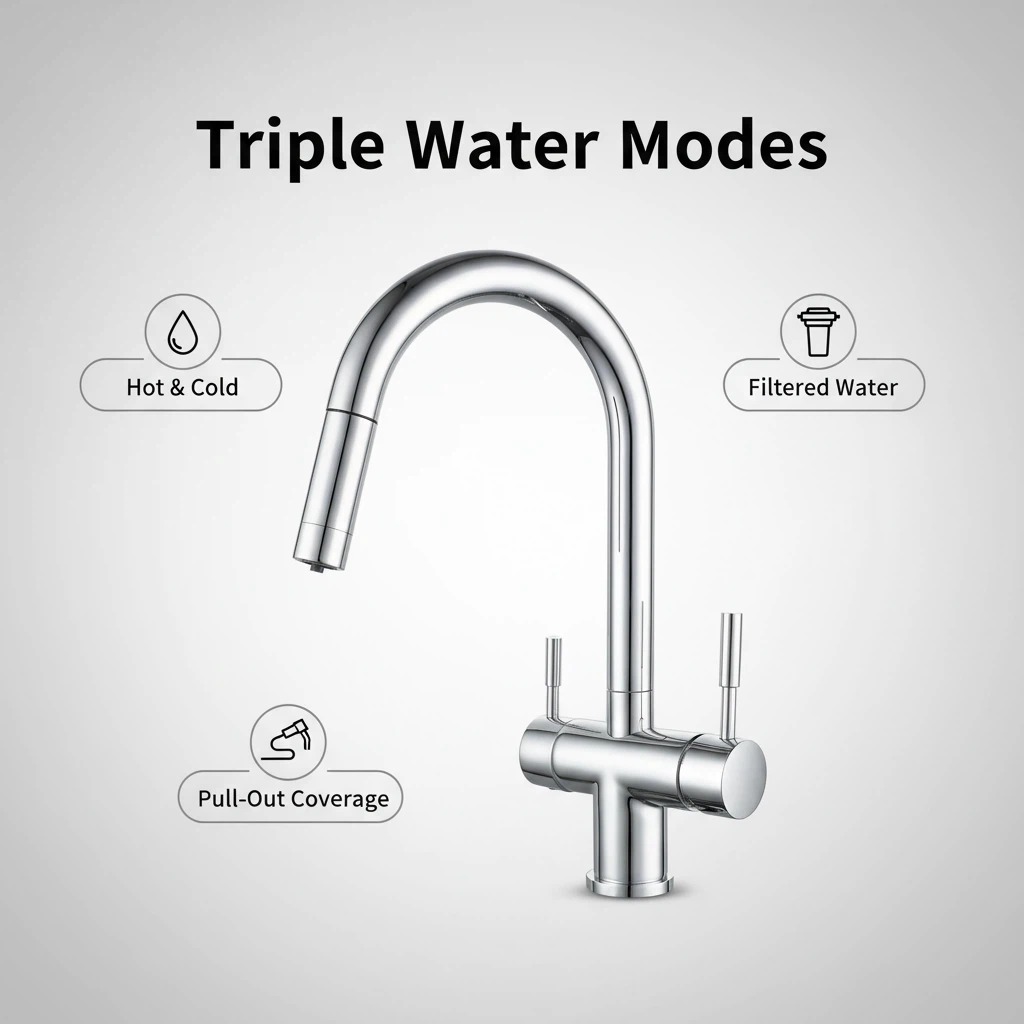
Solutions like the Liliumfaucet under-sink sparkling water dispenser install discretely beneath your countertop, out of sight. By pairing the chilling and carbonation unit with a multi-functional kitchen faucet, you can dispense standard tap water, filtered drinking water, and crisp sparkling water from a single architectural point. This approach eliminates the need to store heavy bottles or manage clutter, blending premium utility into your daily kitchen workflow.
Which One Should You Choose?
With so many fizzy options lining the shelves, selecting the right beverage comes down to understanding your specific taste preferences, health goals, and how you plan to use it. Instead of viewing the difference between soda and sparkling water as a rigid rule, you can look at each drink as a tool for a specific occasion.
Here is a quick breakdown to help you decide exactly which one to reach for:
- Choose soda if: You are looking for a sweet, heavily flavored soft drink to enjoy as an occasional treat. Just keep in mind its high sugar and calorie content, and treat it more like a dessert than a source of hydration.
- Choose sparkling water if: You want a clean, crisp, and completely sugar-free fizzy drink for daily hydration. It gives you the satisfying pop of carbonation with zero health compromises, making it the perfect sparkling water alternative to soda.
- Choose soda water / club soda if: You are hosting a gathering or mixing up your favorite drinks. Its added mineral salts give it a distinct bite that holds up beautifully against hard liquors and syrups, making it the ultimate cocktail mixer.
- Choose an under-sink sparkling water dispenser if: You drink sparkling water frequently at home and want to elevate your daily routine. Transitioning to a dedicated tap system like a Liliumfaucet dispenser eliminates the endless clutter of plastic bottles and aluminum cans, providing fresh, chilled, and intensely bubbly water right when you want it.
By matching the beverage to your lifestyle needs, you can enjoy the perfect amount of fizz without any of the guesswork.
Conclusion
Navigating the beverage aisle doesn't have to be a guessing game once you look past the bubbles. While the terms are frequently mixed up, remembering the core differences helps you pick the exact drink your body or your recipe needs:
- Soda: A sweet, heavily flavored carbonated soft drink packed with sugars, artificial sweeteners, and chemical additives.
- Soda Water / Club Soda: Carbonated water purposefully infused with mineral salts, giving it a slightly salty, crisp profile that makes it the ultimate cocktail mixer.
- Sparkling Water: Pure water combined with carbon dioxide (CO₂) gas, offering a clean, calorie-free, and sugar-free hydration experience.
Ultimately, the best choice depends entirely on your lifestyle goals and the occasion. Whether you are indulging in an occasional treats, crafting a premium highball, or upgrading your daily health habits, knowing what is inside your glass ensures you make the right choice.
If you enjoy sparkling water every day, a lifestyle upgrade like the Liliumfaucet sparkling water dispenser makes it easier to enjoy chilled sparkling water directly from your kitchen tap. By integrating fresh carbonation into your home, you can enjoy premium, crisp bubbles on demand while completely eliminating the hassle of heavy grocery bags and plastic bottle waste.
FAQ
1: Is soda the same as sparkling water?
No. In daily conversation, "soda" usually refers to a sweet, flavored carbonated soft drink (like cola or lemon-lime pop) that is packed with sugars or artificial sweeteners. On the other hand, sparkling water is simply water infused with carbon dioxide ($CO_2$) bubbles and typically contains no sugar, calories, or artificial flavorings.
2: Is soda water the same as sparkling water?
They are very similar, but they are not identical. Soda water (also known as club soda) contains added mineral salts like sodium bicarbonate and potassium sulfate, giving it a slightly salty, alkaline taste. Sparkling water is usually more neutral and cleaner in taste, as it does not contain these manufactured mineral additives.
3: Is sparkling water healthier than soda?
Yes, plain sparkling water is generally a much healthier everyday choice than sugary soda. Standard soft drinks contribute to high sugar intake and empty calories. Plain sparkling water provides the exact same hydration as regular water with zero sugar and zero calories, making it an excellent alternative for weight management and dental health.
4: Can sparkling water replace soda?
Absolutely. Sparkling water is the perfect replacement for individuals who crave the fizzy, crisp sensation of a soft drink but want to cut out sugar. If you find plain sparkling water too neutral, you can easily add fresh fruit slices, mint, or citrus juices (like lemon or lime) to create a delicious, all-natural flavor profile.
5: Does sparkling water have sugar?
Plain sparkling water contains zero sugar. However, the market also includes flavored varieties. While many brands use natural fruit essences with no added sugar, some flavored versions may quietly sneak in sweeteners. To be safe, always check the nutrition label before purchasing.
6: Is club soda better than sparkling water for cocktails?
Yes, club soda (soda water) is often preferred by bartenders for mixing cocktails. The added minerals in club soda give it a sharper, slightly savory profile that prevents the carbonation from getting lost when mixed with heavy spirits, syrups, and citrus juices.
7: Can I make sparkling water at home?
Yes, making sparkling water at home is simple and highly efficient. You can use a standard countertop sparkling water maker, or upgrade to an under-sink sparkling water dispenser. An under-sink system connects directly to your plumbing, allowing you to enjoy crisp, chilled sparkling water on tap without cluttering your kitchen with plastic bottles.
.jpeg?w=800&h=800)