
Whether you call it fizzy water, sparkling water, or carbonated water, the refreshing science behind it remains exactly the same. It is simply regular water infused with carbon dioxide (CO₂) under pressure to create those delightful, crisp bubbles we all love.
If you are a daily fan of that satisfying fizz, you already know the struggle of relying on store-bought options. Constantly buying bottled sparkling water quickly becomes an expensive routine. Beyond the high recurring cost, storing bulky bottles takes up valuable kitchen space, lugging heavy packs from the grocery store is exhausting, and the endless stream of single-use plastic takes a heavy toll on the environment.
Fortunately, you do not have to sacrifice your carbonated cravings to solve these common problems. Learning how to make fizzy water at home is surprisingly simple, highly customizable, and incredibly eco-friendly.
In this guide, we will explore the easiest and most effective methods to create your own sparkling water at home. We will break down the pros and cons of each approach, helping you confidently choose the perfect home sparkling water system to upgrade your kitchen and simplify your daily routine.
What Is Fizzy Water?
At its core, fizzy water is incredibly simple: it is regular water that has been infused with carbon dioxide (CO₂) gas under pressure. This scientific process, known as carbonation, is exactly what creates those signature, refreshing bubbles that dance on your tongue.
Depending on where you live or what brand you buy, you might hear this bubbly beverage called by several different names. It is widely known as sparkling water, carbonated water, soda water, or seltzer water. While the terminology often varies by region, the fundamental combination of water and CO₂ remains the same.
However, not all bubbly drinks are created equal. When you are looking for a refreshing drink, it is helpful to understand the key differences:
- Plain fizzy water: This is the purest form, containing only water and carbonation with absolutely no added sugar, calories, or artificial ingredients.
- Flavored sparkling water: This variety starts with a carbonated base but incorporates fruit extracts, essential oils, or a splash of syrup for a hint of taste.
- Soda: Traditional sodas are carbonated but come heavily loaded with added sugars, artificial sweeteners, and complex flavor profiles.
This distinction is exactly why crafting your own beverages is a game-changer. By making your own fizzy water at home, you gain complete control over what goes into your glass. You can easily adjust the carbonation strength to your exact preference, experiment with fresh, healthy flavorings, and control your family's sugar intake without relying on store-bought options.
What Do You Need to Make Fizzy Water at Home?
The science of carbonation is incredibly straightforward. To successfully make carbonated water at home, you essentially only need three fundamental elements: high-quality water, carbon dioxide gas, and a reliable device capable of safely infusing the gas into the liquid under pressure.
Depending on your lifestyle and kitchen setup, assembling the perfect home carbonation system requires a few basic essentials:
- Chilled, filtered water: Temperature matters. Cold water absorbs CO₂ much more effectively than room-temperature water, resulting in sharper, longer-lasting bubbles.
- A CO₂ cylinder or cartridge: This is the engine of your fizz. Most modern setups utilize a food-grade, refillable CO₂ cylinder to supply the necessary gas.
- Carbonation equipment: The market offers several options to fit your needs, ranging from a basic soda siphon or a popular countertop sparkling water maker, to a fully integrated under-sink sparkling water dispenser for the ultimate on-demand, space-saving convenience.
- Optional flavorings: Once carbonated, you can easily customize your beverage using fresh lemon, lime, mint, muddled fruit, or your favorite natural syrups.
While DIY carbonation is fun and easy, safety must always come first. You should never attempt to inject high-pressure gas into regular, single-use plastic water bottles. They are not built to withstand the internal stress of carbonation and can easily rupture or burst. Always ensure you are using heavy-duty, BPA-free bottles or specialized pressure vessels that are specifically designed and rated for carbonated beverages.
Method 1: Use a Countertop Sparkling Water Maker
The most common and accessible way to make sparkling water at home is by using a countertop soda maker. These standalone devices are incredibly popular because they require no electricity or plumbing to operate.
The basic steps to use one are simple and quick:
- Fill the bottle: Always start by filling the manufacturer-provided bottle with cold water for the best carbonation.
- Attach the bottle: Securely lock or screw the bottle into the sparkling water maker.
- Inject CO₂: Press the button or push down the lever a few times to inject the gas until you reach your desired fizz level.
- Add flavor: Once carbonated, gently mix in any syrups or fresh flavors (never add flavor before carbonation to prevent bubbling over).
Like any kitchen appliance, this method comes with distinct advantages and disadvantages.
- Pros: It is incredibly easy to operate, requires absolutely no installation, and is perfectly suited for renters, apartments, or small families.
- Cons: It takes up valuable countertop space, requires repetitive bottling and cleaning, offers a limited batch size, and the water does not dispense directly from a faucet.
Best For
This method is ideal for users trying homemade sparkling water for the first time. It is a great fit for those who do not want to deal with installation, or households with relatively low daily consumption.
Method 2: Use a Soda Siphon
A soda siphon is a classic, traditional tool that utilizes a small, single-use CO₂ cartridge to carbonate liquids. Often made of sleek glass or stainless steel, these devices bring a touch of old-school charm to any kitchen counter.
They are specifically designed for small batches, making them excellent for whipping up quick fizzy water for cocktails, mocktails, or customized drinks at a home bar.
- Pros: They are compact, feature a beautiful retro aesthetic, and are the perfect tool for home mixology.
- Cons: The single-batch capacity is very limited, you must constantly purchase small replacement gas cartridges, and it is simply not convenient for a family that drinks a lot of homemade soda water daily.
Best For
A soda siphon is best suited for home bars and mixology enthusiasts. If you only occasionally make cocktails or soda water and appreciate small, visually appealing tools, this is a stylish choice.
Method 3: Build a DIY CO₂ Carbonation Setup
For those looking to reduce long-term costs, building a DIY sparkling water rig is a highly effective, albeit technical, solution. This method involves assembling a commercial-style CO₂ carbonation setup, which typically includes a large CO₂ tank, a gas regulator, a carbonation cap, and a keg or heavy-duty bottle.
While this approach drastically lowers the price per liter over time, it is explicitly geared toward DIY enthusiasts who are comfortable handling pressurized equipment.
- Pros: It offers massive capacity, significantly lower long-term costs, and fully adjustable carbonation strength.
- Cons: It requires a solid understanding of gas pressure, fittings, and seals. The installation is complex, it is not user-friendly for the average family, and the exposed tanks and hoses do not look neat in a kitchen.
Important Safety Notes
When you choose to make carbonated water at home using a DIY method, strict safety protocols are non-negotiable.
- Always use food-grade CO₂ to avoid consuming harmful industrial impurities.
- Use a high-quality pressure regulator to control the gas flow safely.
- Never exceed the maximum allowed pressure of your equipment.
- Only use pressure-safe containers; never use standard, thin plastic water bottles.
Method 4: Install an Under Sink Sparkling Water Dispenser
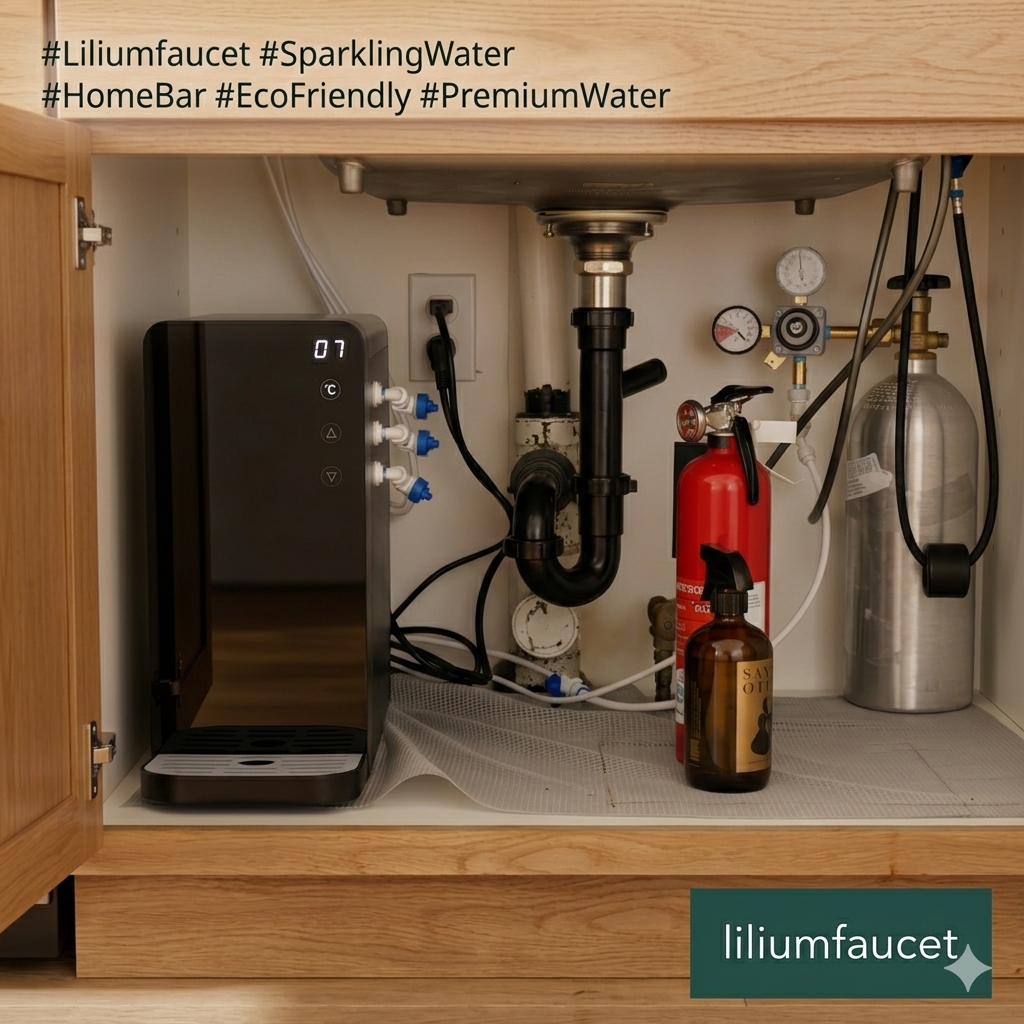
If you are looking for a premium, high-end solution with the best long-term user experience, an under sink sparkling water dispenser is the ultimate upgrade. This system is installed directly beneath your kitchen counter, seamlessly connecting your cold filtered water supply, a large CO₂ cylinder, and a dedicated sparkling water tap.
Instead of dealing with plastic bottles, you can pour fresh bubbly water straight from the faucet. Advanced models even feature integrated chilling units, providing instantly chilled sparkling water on demand.
Compared to a countertop soda maker, this built-in approach offers significant lifestyle benefits:
- Saves space: It keeps your countertops completely clear of bulky appliances.
- No bottling: It eliminates the repetitive chore of filling, carbonating, and washing individual bottles.
- High capacity: It is much better suited for families who drink large volumes daily.
- Premium aesthetic: It keeps your kitchen visually clean while delivering a true "sparkling water on tap" experience.
Why It Is Better for Daily Home Use
The hidden under-sink design saves essential countertop space while ensuring fresh sparkling water is available directly from the tap at any moment. It works exceptionally well for families who drink sparkling water often and is a perfect fit for modern kitchens, kitchen islands, wet bars, and premium home renovations.
Where Liliumfaucet Fits In
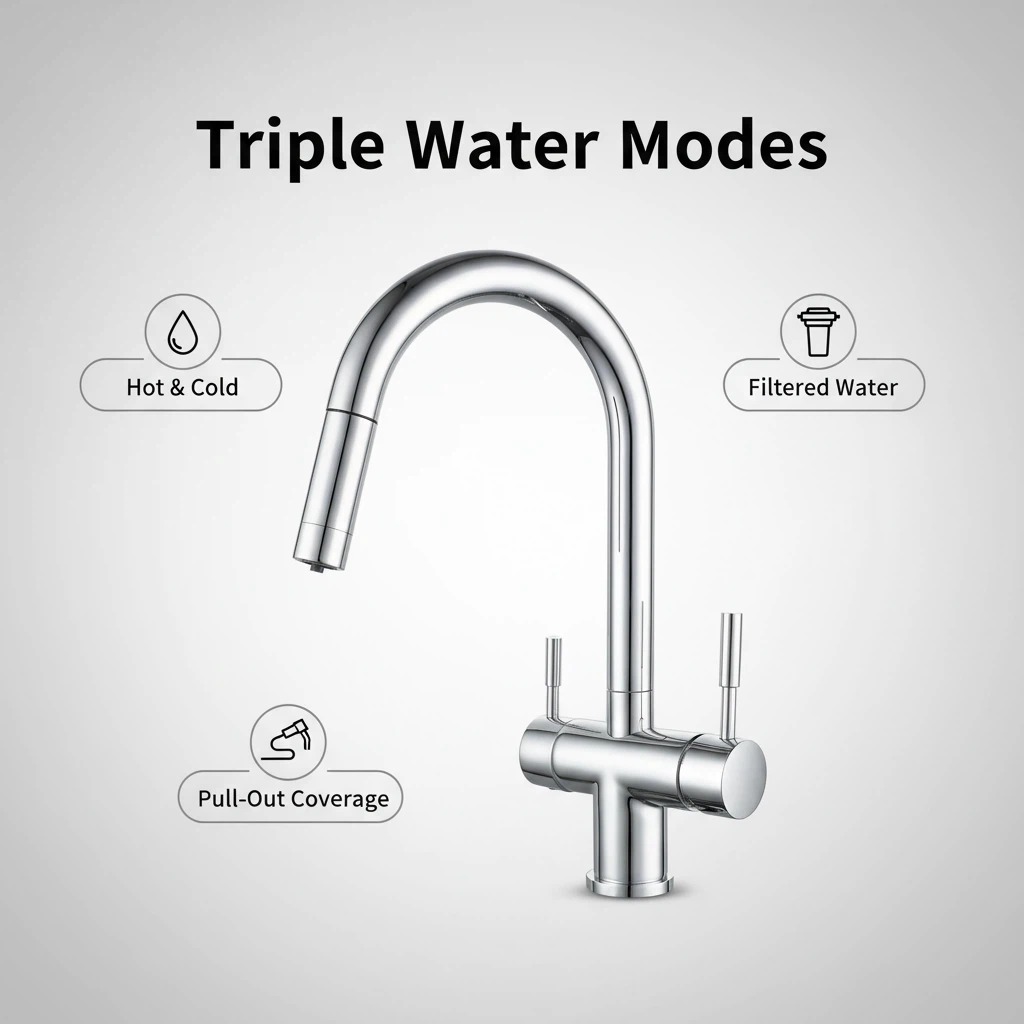
For homeowners who want a cleaner kitchen setup, a Liliumfaucet sparkling water dispenser offers a practical, elegant way to enjoy chilled sparkling water directly from a dedicated faucet.
Designed to be a seamless modern kitchen upgrade, this home sparkling water system relies on an under-sink hidden design that keeps your counters clutter-free. With its dedicated sparkling water tap, it delivers crisp, chilled sparkling water on demand, making it a highly reliable and sophisticated choice suitable for long-term home use.
Can You Make Fizzy Water Without a SodaStream?
The short answer is yes, absolutely. While SodaStream is undoubtedly the most recognizable brand in the carbonation market, it is far from your only choice. Many consumers feel restricted by proprietary bottle designs and specific gas cylinder exchange programs, leading them to search for a viable SodaStream alternative. Fortunately, the market has expanded significantly, offering numerous ways to enjoy bubbly beverages without being tied to a single brand.
If you want to make sparkling water without SodaStream, you have several excellent paths to choose from depending on your kitchen space and lifestyle:
- Other Countertop Carbonators: Brands like Aarke or DrinkMate offer sleek, premium counter devices. DrinkMate, for instance, allows you to carbonate juices and wine, not just plain water.
- Soda Siphons: A classic, portable, and budget-friendly choice that uses small, recyclable CO₂ chargers—perfect for occasional drinkers or home bartenders.
- DIY CO₂ Setups: A highly customized solution using commercial gas tanks and regulators, delivering the lowest cost per liter for true heavy users.
- Under-Sink Sparkling Water Dispensers: The ultimate luxury upgrade that integrates filtration, chilling, and carbonation directly into your kitchen plumbing.
When deciding which home sparkling water system is right for you, look beyond the brand name. Instead, guide your choice by evaluating your household's daily consumption frequency, your upfront budget, available counter space, and whether you prefer a plug-and-play device or a seamlessly installed built-in fixture.
Tips for Making Better Fizzy Water at Home
Creating the perfect glass of homemade sparkling water is more of a science than a guessing game. To elevate your daily hydration and achieve that crisp, professional-quality bite, follow these essential best practices:
- Start with cold, filtered water: Temperature is critical in carbonation. Ice-cold water absorbs and retains carbon dioxide gas far better than room-temperature water, resulting in sharper bubbles. Additionally, using filtered water ensures a pure, clean taste without any chlorine or mineral interference.
- Carbonate first, flavor second: This is the golden rule of home carbonation. Never attempt to carbonate juices, alcohol, or sugary drinks unless your specific machine explicitly supports it. Doing so with standard equipment can clog pressure valves, void warranties, and cause messy, high-pressure liquid explosions.
- Customize your fizz: Do not settle for default settings. Take advantage of your equipment by adjusting the CO₂ pressure on your regulator or changing the number of button pushes to find your perfect bubble intensity.
- Keep it consistently chilled: Once carbonated, immediately cap your bottles tightly and store them in the refrigerator. Cold environments prevent the gas from dissipating, keeping your water bubbly for days.
- Maintain strict hygiene: To prevent mold and off-tastes, routinely hand-wash your reusable bottles (check if they are dishwasher safe) and wipe down your machine nozzles, under-sink systems, or dispenser taps.
Flavor Ideas for Homemade Fizzy Water
Once you have mastered the basic carbonation process, plain water becomes a blank canvas. Crafting your own flavored fizzy water is an excellent way to stay hydrated without the unnecessary calories and artificial additives found in commercial sodas.
Here are some quick, refreshing sparkling water recipes and infusion ideas to elevate your daily drink:
- Classic Citrus: A squeeze of fresh lemon or lime provides a sharp, refreshing zing, while a simple twist of orange peel adds elegant aromatic complexity.
- Spa-Style Refreshers: Muddle fresh cucumber slices and mint leaves in your glass before pouring the water for a soothing, crisp flavor profile.
- Berry Infusions: Drop in a handful of lightly crushed strawberries, raspberries, or blueberries for a naturally sweet, visually appealing drink.
- Spicy Kick: Add a few thin slices of fresh ginger root to impart a warming, slightly spicy depth to your cold beverage.
- Convenient Enhancers: Keep sugar-free fruit drops or water-enhancing squirts on hand for instant, zero-calorie flavor variations when you are in a rush.
- Mixology Base: Utilize your intensely carbonated water as a premium, bubbly foundation for creative evening cocktails or sophisticated afternoon mocktails.
Which Method Is Best for You?
Choosing the perfect way to make fizzy water at home ultimately comes down to your household's unique needs, daily consumption habits, and available kitchen space. There is no one-size-fits-all answer, as each approach offers distinct advantages depending on your lifestyle.
To help you easily compare your options and make an informed decision, we have summarized the four primary carbonation methods into a quick reference guide below.
| Method | Best For | Pros | Cons |
| Countertop soda maker | Beginners | Easy to use, requires zero installation. | Takes up counter space, relies on a bottle-based process. |
| Soda siphon | Cocktails | Small footprint, features a stylish and retro design. | Limited single-batch capacity. |
| DIY CO₂ setup | Advanced users | Highly customizable, offers a significantly larger capacity. | More complex to build, requires gas pressure knowledge. |
| Under sink sparkling water dispenser | Daily home use | Clean hidden look, offers the ultimate on-tap convenience. | Requires initial under-sink plumbing installation. |
Whether you are looking for a compact tool to mix weekend cocktails, or you are ready to invest in a premium built-in fixture for unlimited daily hydration, matching the method to your specific needs ensures you will get the most value out of your new setup.
Is Homemade Fizzy Water Worth It?
If you are a frequent carbonated water drinker, switching to homemade fizzy water is undoubtedly worth the initial investment. When you evaluate the daily costs and lifestyle benefits, crafting your own beverages quickly outperforms buying commercial options.
Here is why creating your own bottled sparkling water alternative is a smart move:
- Cost savings: While there is an upfront equipment cost, the price per liter drops significantly over time compared to buying premium store brands daily.
- Ultimate convenience: You will never have to lug heavy beverage cases from the grocery store or sacrifice valuable pantry space to store bulky plastic and glass bottles.
- Eco-friendly impact: By making sparkling water at home, you drastically reduce your household's daily contribution to single-use plastic and glass waste.
- Freshness on demand: Creating your fizz exactly when you want to drink it completely eliminates the disappointment of finding half-empty, flat bottles in your refrigerator.
For households that consume bubbly beverages every day, the long-term financial, spatial, and environmental returns make a home carbonation system an undeniably valuable kitchen upgrade.
Conclusion
At the end of the day, making your own carbonated beverages is not a complicated science. All it takes is high-quality water, food-grade CO₂, and the right equipment to bring those crisp, refreshing bubbles to life.
The best solution naturally depends on your daily habits and design preferences. If you only want to enjoy bubbles occasionally, a standard countertop soda maker provides a quick and accessible entry point. However, if you desire a long-term, visually clean, and premium kitchen experience, investing in an under sink sparkling water dispenser paired with a dedicated sparkling water tap is undoubtedly the superior upgrade.
Ready to enjoy chilled sparkling water straight from your kitchen tap? Explore Liliumfaucet under sink sparkling water dispensers for a cleaner, more convenient home carbonation experience, and transform the way you hydrate today.
FAQ
1: How do you make fizzy water at home?
To create your own bubbles, you essentially need three things: cold water, carbon dioxide (CO₂), and a pressure-safe carbonation device. Depending on your needs, you can use a standard countertop soda maker, a classic soda siphon, a customizable DIY CO₂ setup, or a fully integrated under sink sparkling water dispenser.
2: Can I make fizzy water without a SodaStream?
Yes, absolutely. You are not limited to just one brand. Excellent alternatives include a traditional soda siphon, other brands of countertop sparkling water makers, a high-capacity DIY CO₂ setup, or a premium under sink sparkling water dispenser for your kitchen.
3: Is fizzy water the same as sparkling water?
In daily conversation, yes. Terms like fizzy water, sparkling water, carbonated water, soda water, and seltzer all refer to the exact same concept: regular water infused with CO₂ bubbles. The specific name you use often just depends on your region or local culture.
4: Can I use tap water to make fizzy water?
Yes, you can. However, using filtered water is highly recommended. Filtered water provides a much cleaner, purer taste by removing chlorine and heavy minerals, which significantly enhances the overall quality of your homemade sparkling water.
5: Does cold water make better fizzy water?
Yes, temperature is crucial. Cold water absorbs and retains carbonation much more effectively than room-temperature water. Chilling your water before the carbonation process will consistently yield sharper, crispier, and longer-lasting bubbles.
6: Can I add flavor before carbonating water?
No, always carbonate first. You should add your syrups, fruit, or flavor drops after the water is fully carbonated. Attempting to carbonate flavored liquids can cause messy over-bubbling or clog your machine's pressure valves, unless your specific device explicitly states it can handle non-water liquids.
7: What is the best way to make sparkling water at home?
The "best" method entirely depends on your lifestyle and kitchen space. For occasional use or renters, a countertop soda maker is incredibly simple. However, for heavy daily use and a clean, clutter-free aesthetic, an under sink sparkling water dispenser is by far the most convenient and elegant solution.
8: Is homemade fizzy water cheaper than bottled sparkling water?
Yes, it can be highly cost-effective. While you must pay an upfront cost for the equipment, the long-term price per liter drops dramatically. It is a fantastic financial and eco-friendly investment, especially for households that drink sparkling beverages regularly.
9: Do under sink sparkling water dispensers need a CO₂ tank?
Yes. Just like any other true carbonation method, most under sink sparkling water systems require a dedicated CO₂ tank and a compatible gas regulator to effectively infuse your tap water with bubbles.
10: Can an under sink sparkling water dispenser provide chilled sparkling water?
Yes, many premium models do. Several modern under-sink systems feature integrated cooling units designed to deliver perfectly chilled sparkling water directly from the tap. Always be sure to check the specific product specifications to confirm it includes a chilling feature.
.jpeg?w=800&h=800)
.jpg?w=375&h=247)