
Making carbonated (sparkling) water at home can be done in several ways, ranging from simple manual methods to the use of specialized equipment. Each approach has its own pros and cons in terms of safety, convenience, and cost.
1. Manual Carbonation (Using a Soda Charger Bottle)
What you need
-
A soda charger bottle (e.g., a SodaStream home carbonator)
-
Cold water (filtered or mineral water is best)
-
CO₂ cartridge (usually included with the carbonator)
Steps
-
Fill the bottle: Pour cold water into the dedicated bottle, staying below the max‑fill line.
-
Insert the cartridge: Load the CO₂ cartridge into the carbonation unit and ensure it is sealed properly.
-
Carbonate: Attach the water bottle to the unit and press the carbonation button (some models require several presses). Adjust the bubble strength to taste—three to five presses is typical.
-
Release pressure: After carbonation, slowly unscrew the cap to vent excess gas and prevent splashing.
-
Serve or chill: Drink immediately or refrigerate for a crisper taste.
Advantages
-
Simple operation, no complex tools needed
-
You control the fizz level; ideal for regular household use
-
Low ongoing cost (replacement cartridges cost roughly ¥1–2 per bottle)
Drawbacks
-
Initial purchase of dedicated equipment (≈ ¥200–¥1,000)
2. Chemical Fermentation (Natural Bubbles—Patience Required)
Principle
Yeast fermentation produces CO₂, simulating the natural formation of sparkling water.
What you need
-
A clean, sealable plastic bottle (e.g., a 2 L water bottle)
-
Cold or cooled boiled water
-
Granulated sugar (≈ 20 g)
-
Active dry yeast (≈ ¼ tsp)
-
Lemon juice (optional, for flavor)
Steps
-
Sanitize the bottle: Rinse with hot water to remove any grease.
-
Mix ingredients: Add water, sugar, and yeast; swirl gently to dissolve. A little lemon juice can brighten the taste.
-
Seal and ferment: Tighten the cap and leave the bottle in a warm place (20 – 30 °C) for 12–24 h.
-
Check the bubbles: Gently squeeze the bottle every few hours. When it becomes hard and springy, fermentation is complete.
-
Chill to halt fermentation: Refrigerate for two hours to slow the yeast, then enjoy.
Advantages
-
No special equipment; extremely low cost
-
Naturally fermented, with no chemical additives
Drawbacks
-
Long wait time
-
Bubble strength is unpredictable—may be too strong or too weak
-
Hygiene must be carefully managed to avoid contamination
3. Quick Shaking Method (Simple Emergency Fix)
Principle
Vigorous shaking forces more CO₂ from the air into the water—but the effect is weak and short‑lived.
Steps
-
Pour cold water into a tightly sealed bottle (e.g., a sports flask).
-
Tighten the lid and shake vigorously for 1–2 min.
-
Quickly open to vent gas, re‑seal, and shake again; repeat three to five times.
-
Let the bottle sit briefly, then drink. (The bubbles will fade fast.)
Advantages
-
Requires no tools; handy in a pinch
Drawbacks
-
Very mild, fleeting carbonation
-
Risk of leaks or spills during shaking
4. Dry‑Ice Method (Handle with Care)
Principle
Solid CO₂ (dry ice) sublimates directly into gas, carbonating the water.
Steps
-
Pour cold water into a thermos or thick‑walled container.
-
Wearing gloves, use tongs to drop a small piece of dry ice (≈ 50 g) into the water.
-
Quickly cover the container, leaving a small gap to vent gas; wait 10–15 min for the dry ice to sublimate fully.
-
Open carefully, strain out any dry‑ice fragments, and drink.
Advantages
-
Produces dense bubbles, similar to store‑bought sparkling water
Drawbacks
-
Dry ice is −78 °C; improper handling can cause frostbite
-
Must purchase dry ice (from some supermarkets or chemical suppliers); higher cost
Important Safety & Quality Notes
-
Safety first: When using dry ice or fermentation, wear gloves and eye protection; avoid direct contact.
-
Sterilize everything: Thoroughly clean all containers to prevent bacterial growth.
-
Bubbles dissipate fast: Homemade sparkling water loses carbonation quickly—drink soon after making, or store in a well‑sealed bottle.
-
Flavor tweaks: Add lemon slices, mint leaves, or a splash of juice to customize taste.
5. Carbonating With an Under‑Sink Sparkling Water Machine
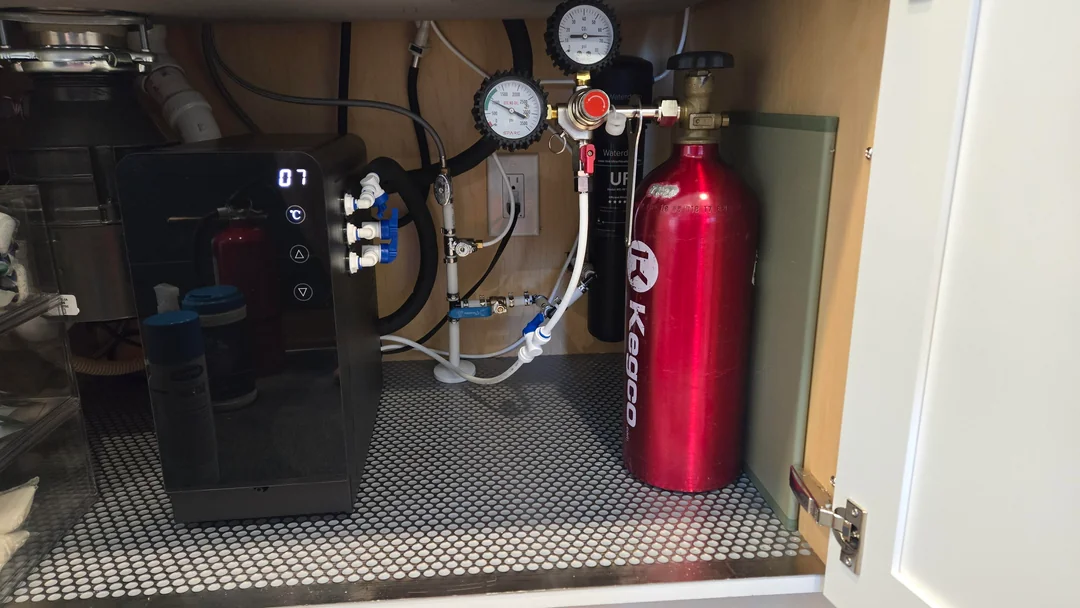
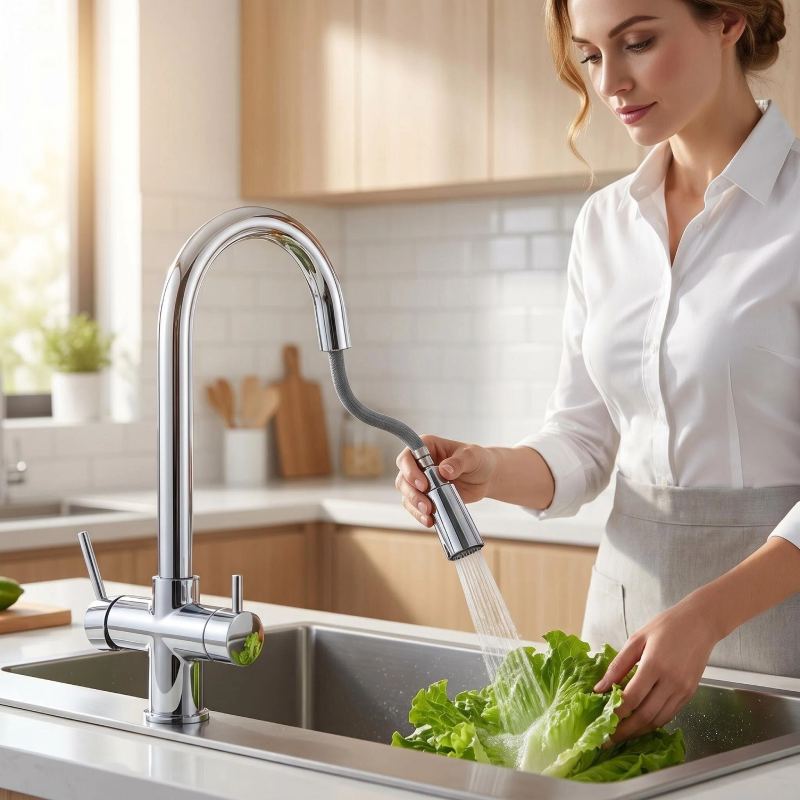
Using physical pressurization technology, these units inject food‑grade CO₂ directly into water. Take the Liliufaucet under‑sink sparkling‑water machine as an example. Its features include:
-
High output: Connected to a CO₂ cylinder, it can produce 6–8 L of sparkling water per hour—ample for daily use or gatherings.
-
Space‑saving: Installed under the sink, it frees up countertop space—great for compact kitchens.
-
Stable supply: The large CO₂ cylinder needs less frequent replacement, lowering long‑term costs.
Ideal scenarios
-
Heavy home use: Perfect for families who drink sparkling water every day, especially larger households or those who entertain often.
-
Tight kitchen space: Under‑sink installation suits small homes or crowded countertops.
-
Health‑conscious users: DIY sparkling water lets you control ingredients, avoiding the high sugar or additives in many commercial products.
Recommended approach
-
For long‑term, high‑frequency use, invest in an under‑sink sparkling‑water machine—cost‑effective and convenient.
By choosing any of the methods above, you can easily create healthy, refreshing carbonated water at home and enjoy the fun of DIY bubbles!
.jpeg?w=800&h=800)