Yes, sparkling water is absolutely carbonated. That satisfying hiss when you crack open a fresh can and the crisp tingle on your tongue are the direct results of dissolved carbon dioxide gas (CO₂). Whether it occurs naturally from an underground spring or is forced into the liquid mechanically, carbonation is exactly what gives sparkling water its signature fizz.
However, if you have ever stood in the beverage aisle feeling completely overwhelmed, you are not alone. The shelves are flooded with terms like seltzer, club soda, tonic water, and sparkling mineral water. They all look identical in a glass, yet they carry different labels, ingredient lists, and subtle flavor profiles that can puzzle even the most dedicated hydration enthusiasts.
To clear up the confusion once and for all, this comprehensive guide will break down the science and nuances of your favorite bubbly drinks. Here is what we will cover ahead:
- Origins & Production: How these beverages get their bubbles, comparing natural geological processes to modern factory carbonation techniques.
- The Key Differences: A side-by-side breakdown of seltzer, club soda, mineral water, and tonic so you know exactly what you are buying.
- Health & Hydration Impacts: The scientific truth about how carbonation affects your tooth enamel, bone density, digestion, and overall hydration levels.
Let’s uncap the truth behind the fizz and find the perfect bubble profile for your palate.
What Is Sparkling Water?
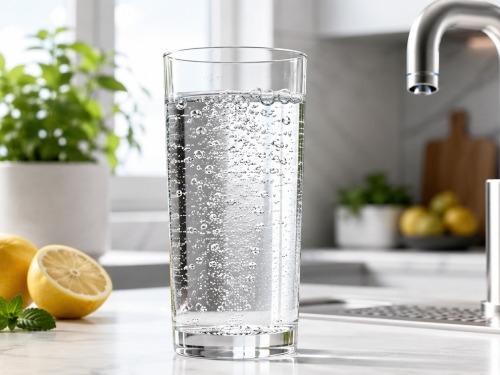
At its most fundamental level, sparkling water is simply water that contains dissolved carbon dioxide (CO₂) gas. When you open a sealed bottle or can, the internal pressure drops, causing the dissolved gas to rapidly escape and form tiny, crisp bubbles.
The origin of these bubbles depends entirely on how the water is sourced and prepared. The effervescence can either emerge organically from deep within the earth's crust or be forcefully added later at a commercial bottling facility.
Regardless of the exact origin, the mechanism that creates this signature fizzy texture is known as the carbonation process. This process completely transforms standard still water, elevating its mouthfeel and providing a refreshing bite without adding any calories, sugars, or artificial sweeteners.
Natural vs Artificial Carbonation
Understanding exactly how your water gets its fizz is the key to decoding confusing beverage labels. The carbonation process generally falls into two distinct categories:
-
Natural Carbonation: This water is sourced directly from deep underground mineral springs. Due to extreme geological pressure and volcanic activity beneath the earth's surface, the water becomes naturally infused with both carbon dioxide and essential minerals like calcium, magnesium, and sodium.
Real-World Example: Brands like San Pellegrino or Perrier rely on natural carbonation. Their bubbles tend to be softer and finer, while the inherent mineral content gives the water a distinct, slightly earthy or salty terroir. -
Artificial Carbonation: This is a modern, industrial method where pure carbon dioxide gas is mechanically injected into chilled, still water under high pressure. This precise technique allows manufacturers (and consumers) to control the exact level of fizziness.
Real-World Example: Classic seltzer water or beverages made using a home sparkling water dispenser rely entirely on artificial carbonation. The resulting bubbles are typically larger, sharper, and more aggressive, providing a clean bite with a completely neutral taste.
Whether naturally born in a mineral spring or perfectly calibrated in a specialized dispenser, the source of the carbonation directly dictates the texture, flavor, and drinking experience of your water.
So, Is Sparkling Water Carbonated?
Yes, sparkling water is unequivocally carbonated. In fact, carbonation is the single defining characteristic that separates it from a regular glass of tap or spring water. But what does "being carbonated" actually mean on a chemical level?
At its core, carbonation is the result of dissolving carbon dioxide (CO₂) gas into a liquid. Because a gas does not naturally want to stay trapped inside a fluid at room temperature, this combination requires a pressurized environment. When water is kept under high pressure, the CO₂ molecules are forced into the spaces between the water molecules, remaining suspended and completely invisible.
The Science of the Sip: When CO₂ dissolves in water, a small portion of the gas reacts chemically with the H₂O to form carbonic acid. This mild acid is completely safe to drink and is the secret behind sparkling water's flavor profile. It stimulates the nerve endings on your tongue, providing that signature tangy, slightly bitter bite and crisp mouthfeel that flat water simply cannot replicate.
Why Carbonation Creates Bubbles
If the gas is invisible while safely dissolved inside the liquid, why does your drink suddenly erupt with fizz the second you are ready to drink it? It all comes down to a sudden, dramatic shift in physics.
- The Pressurized State: Inside a sealed, unopened bottle or can, the internal pressure is remarkably high. This heavy pressure acts like a lid, forcing the carbon dioxide to stay completely dissolved within the water.
- The Release: The moment you twist the cap or crack the tab, you hear that familiar, satisfying hiss. That is the sound of the pressurized environment instantly dropping to match the normal atmospheric pressure of the room you are standing in.
- The Escape: Without that intense pressure holding it in place, the water can no longer contain the dissolved CO₂. The gas rapidly separates from the liquid, gathering together at microscopic imperfections in the glass or can (called nucleation sites). These gather into visible bubbles that rush to the surface to escape into the air.
This continuous, frantic escape of CO₂ is exactly why your sparkling water puts on a bubbly show in your glass—and why it will eventually go completely "flat" if left sitting out on the counter for too long.
Sparkling Water vs Soda Water vs Seltzer
If you pour sparkling water, soda water, and seltzer into three identical glasses, you will not be able to tell them apart visually. At their core, these beverages are essentially the exact same thing: water infused with carbon dioxide gas. The bubbles behave the same way, and they all provide that refreshing, fizzy mouthfeel.
The real distinction between these drinks lies not in the bubbles, but in the microscopic ingredients hiding in the water itself. The differences come down to mineral content, added sodium, and the exact sourcing of the liquid.
Some varieties are left entirely pure, while others are intentionally enhanced with specific mineral salts to alter their flavor profile and reduce acidity. Understanding these subtle additions is the key to choosing the right bottle for your cocktail, your dinner pairing, or your daily hydration.
Key Differences in Ingredients
To make sense of the beverage aisle, you need to look past the marketing and check the ingredient list. Here is exactly how the three main categories differ:
- Seltzer: This is the purest form of fizzy water, containing only two ingredients: plain water and carbon dioxide. It has no added minerals, no sodium, and a completely neutral taste. This is the exact type of crisp, clean hydration produced on demand by a modern under-sink carbonated soda maker or sparkling water dispenser in a home kitchen.
- Club Soda: While also artificially carbonated, club soda is intentionally fortified with mineral salts like potassium bicarbonate, sodium citrate, or disodium phosphate. These additives give the water a distinctly salty, slightly alkaline finish, making it a favorite among bartenders for mixing cocktails.
- Sparkling Water: This is a broader category that can encompass natural mineral water sourced from underground springs, or purified water that has been artificially carbonated. Unlike club soda, any minerals found in true sparkling mineral water are completely naturally occurring rather than added in a factory.
Is Carbonated Water Healthy?
For decades, plain carbonated water has been unfairly lumped in with sugary sodas, leading many to question its health benefits. The truth is that unsweetened carbonated water is exceptionally healthy and hydrates your body just as effectively as standard still water.
However, because of the carbonation process, there are a few physical effects to be aware of. When CO₂ dissolves in water, it forms mild carbonic acid. While this mildly acidic nature can theoretically soften tooth enamel over time, dental experts agree that plain sparkling water is exponentially safer for your teeth than sugary colas or highly acidic fruit juices.
Internally, the dissolved gases can cause temporary stomach bloating or gas. This is entirely harmless but varies dramatically from person to person; some people find it aids their digestion, while others may feel uncomfortably full. Despite this, sparkling water remains an unparalleled weight-loss tool, offering a satisfying, zero-calorie, zero-sugar alternative for those trying to break a soda addiction.
Myths About Carbonated Water
Because of the confusion surrounding carbonated beverages, several persistent health myths have circulated for years. Let’s correct the record with actual science.
- Myth 1: Carbonated water is inherently unhealthy. This is a complete misconception. As long as there are no added sugars or artificial sweeteners, sparkling water provides the exact same fundamental hydration benefits as a glass of regular tap water.
- Myth 2: It causes bone density loss. There is absolutely no scientific evidence supporting the idea that plain carbonated water leaches calcium from your bones. This myth stems from early studies linking dark sodas to lower bone density, a problem caused by the phosphoric acid in colas—an ingredient completely absent in plain sparkling water.
How Sparkling Water Is Made at Home
You no longer have to rely on commercial beverage factories or heavy plastic crates from the grocery store to get your daily fizzy fix. Thanks to massive innovations in residential beverage technology, producing premium carbonated water directly in your kitchen has become incredibly streamlined. Modern home CO2 injection systems replicate the exact industrial methods used by major bottling plants, scaled down perfectly to fit your counter or cabinet space.
Whether you utilize a standalone sparkling water maker or a highly sophisticated built-in faucet system, the mechanical principle remains identical. Chilled water is placed under pressure, and a localized blast of compressed carbon dioxide gas is forced into the liquid, instantly creating an effervescent bite. This setup provides an incomparable instant drinking experience, allowing you to customize your carbonation level from a soft, gentle shimmer to an aggressive, extra-crisp fizz on demand.
Home Sparkling Water Systems Explained
When designing your home carbonation setup, residential systems generally fall into two distinct engineering categories based on your space, budget, and volume needs:
- Countertop Soda Makers: These standalone appliances are the most common entry point for home carbonation. They require zero plumbing, utilizing small, replaceable 60L CO2 cylinders and dedicated, pressure-safe bottles to carbonate small batches manually with the press of a single top-mounted button.
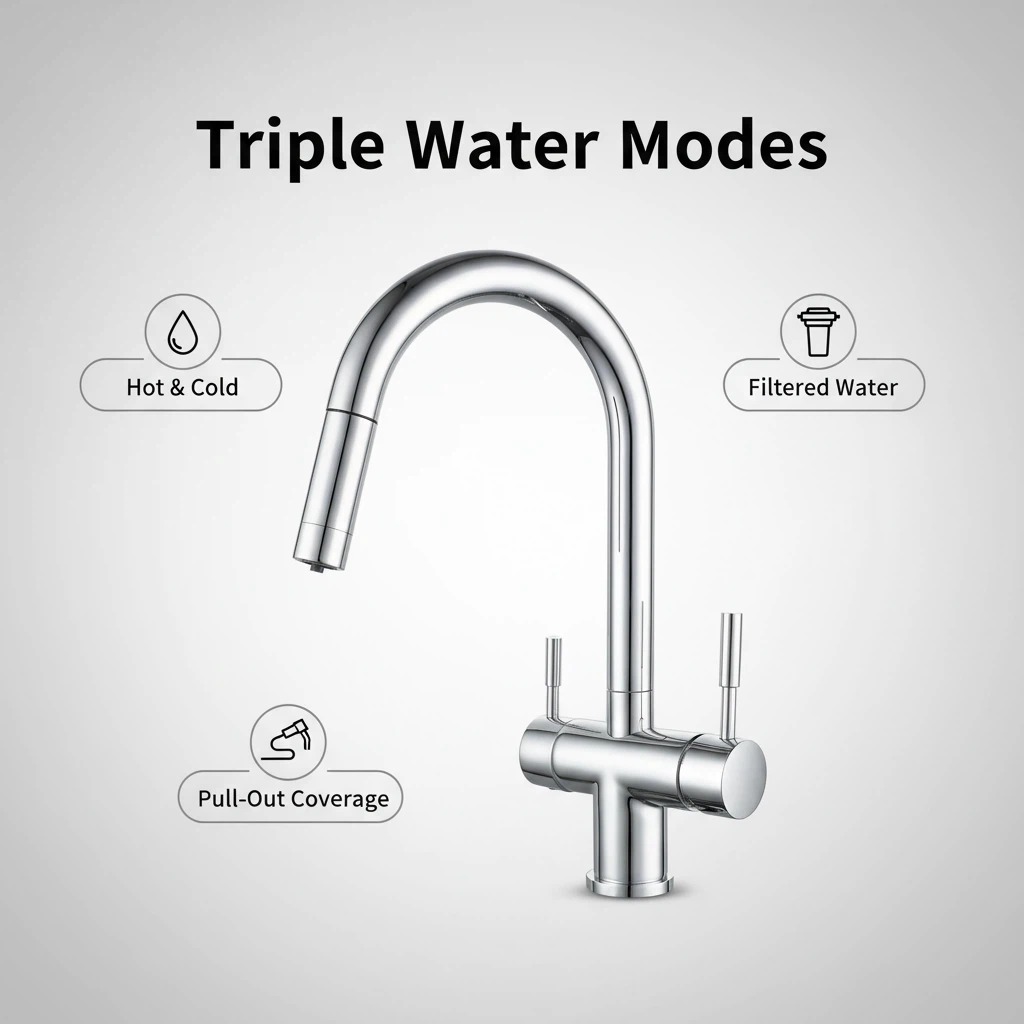
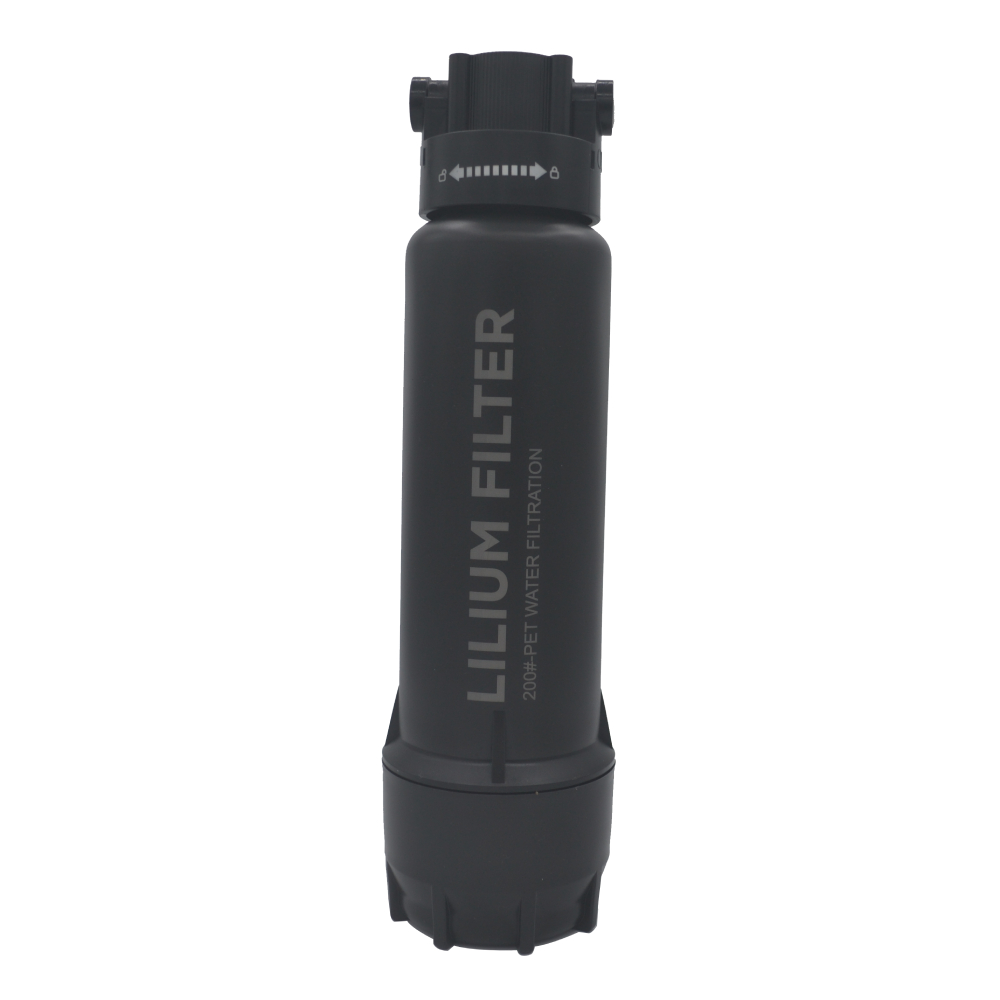
- Under-Sink Systems: For a more luxurious, high-volume solution, homeowners are increasingly investing in continuous-flow under-sink systems. These heavy-duty setups hide a carbonation chiller tank and a larger CO2 tank directly beneath the counter, supplying chilled, filtered sparkling water continuously through a specialized multi-way kitchen tap.
Why Sparkling Water Is Becoming So Popular
The explosive global growth of the sparkling water industry is far more than a passing fad; it represents a fundamental shift in how people approach hydration. The primary driver behind this boom is the universal search for a direct alternative to sugary drinks and diet sodas. Sparkling water provides the exact same sensory satisfaction—the refreshing throat-hit, crisp bubbles, and icy mouthfeel—without a single gram of high-fructose corn syrup, chemical artificial sweeteners, or preservatives.
This perfectly mirrors the broader healthy lifestyle trends sweeping the consumer landscape. Modern individuals are hyper-aware of the metabolic impacts of chronic sugar intake, yet they find plain flat water boring to drink in large quantities throughout the day. Carbonation adds an element of excitement to everyday hydration, making it incredibly easy to hit daily fluid intake goals effortlessly.
Furthermore, the rise of carbonated water is deeply intertwined with dining and home kitchen upgrades. As home cooking and premium entertaining become core social activities, sparkling water is treated less like a basic utility and more like an essential culinary ingredient. A sparkling water tap or a premium carbonator is now a staple appliance in luxury kitchen renovations, allowing hosts to craft artisanal mocktails, cleanse palates between courses, and provide a premium, restaurant-quality hospitality experience right at home.
This shift toward heavy-duty under-sink units highlights a massive kitchen integration trend dominating modern interior design. Homeowners are actively moving away from cluttered countertops, preferring seamless, built-in culinary hardware that dispenses filtered still, boiling, and carbonated sparkling water from a single, high-end architectural faucet.
FAQ
FAQ 1: Is sparkling water just carbonated water?
Yes, fundamentally, sparkling water is just carbonated water. However, the distinction lies in exactly how those bubbles got into the liquid.
As discussed earlier, true natural sparkling water pulls its effervescence and unique mineral profile directly from deep underground springs. Conversely, many popular commercial brands and home systems utilize artificial carbonation, mechanically injecting carbon dioxide into filtered tap water. Ultimately, both methods provide the same satisfying fizz and pure hydration.
FAQ 2: Does sparkling water contain sugar?
Plain sparkling water contains absolutely zero sugar. Because the beverage consists entirely of pure water and carbon dioxide gas, it has no calories, carbohydrates, or added sweeteners.
However, you must be cautious when purchasing flavored varieties. While many brands simply use unsweetened, natural fruit essences for flavor, some commercial drinks sneak in hidden sugars, fruit juices, or artificial sweeteners. Always double-check the nutrition label to ensure you are genuinely drinking a zero-sugar beverage.
FAQ 3: Is carbonated water bad for your teeth?
While it is mildly acidic, plain sparkling water is far less harmful to your teeth than traditional soda. The carbonation process naturally creates carbonic acid, which slightly lowers the water's pH level compared to still tap water.
According to dental experts, this mild acidity has a negligible impact on tooth enamel, especially when compared to the severe decay caused by the high sugar content and aggressive phosphoric acid found in dark colas. If you are highly concerned about enamel wear, try drinking your fizzy water alongside a meal or simply use a straw.
FAQ 4: Can you drink sparkling water every day?
Yes, you can absolutely drink plain sparkling water every single day. For the vast majority of people, it is a perfectly safe, healthy, and highly effective way to reach your daily hydration goals.
Because it hydrates your body just as efficiently as flat water, it serves as a fantastic, everyday substitute to help you break a sugary soda habit. The only minor side effect to monitor is temporary stomach bloating or gas. If you have a particularly sensitive digestive system, you may simply want to alternate your sparkling drinks with regular flat water throughout the day.
.jpeg?w=800&h=800)