
In recent years, sparkling water coolers have been rapidly replacing traditional drinking water equipment, becoming a popular upgrade choice for modern home kitchens, corporate offices, and high-end hospitality spaces. Whether the goal is to pursue a healthier lifestyle or to improve the drinking water experience for customers and employees, the convenience of being able to enjoy a glass of chilled sparkling water at any time has made this type of equipment increasingly popular.
However, many sparkling water lovers and business managers face the same core pain points: buying bottled sparkling water over the long term is not only expensive, but also creates major storage problems due to the need to carry and stock multiple cases. It also takes up valuable refrigerator space for long periods of time. More importantly, the large number of single-use plastic bottles consumed creates a heavy plastic waste burden on the environment. In comparison, installing a high-quality chilled sparkling water dispenser is clearly a more economical, eco-friendly, and efficient long-term solution.
To help you make a smart decision in a market full of options, this ultimate buying guide will give you a complete overview of sparkling water equipment. In the following sections, we will take a closer look at:
- Equipment Basics: What exactly is a sparkling water cooler? How do its internal carbonation and chilling systems work efficiently?
- Category Comparison: How is it fundamentally different from a regular countertop soda maker or a direct sparkling water tap in terms of user experience and functionality?
- Home Buying Guide: How can you choose the perfect sparkling water system for home based on your family’s drinking habits?
- Commercial Buying Guide: How can you evaluate capacity and peak cooling performance to choose a durable and efficient office sparkling water dispenser or commercial-grade system for your team?
Whether you want to add a touch of luxury to your home kitchen or create a modern pantry area for your company, keep reading. We will help you find the ideal chilled sparkling water solution.
What Is a Sparkling Water Cooler?
From the literal meaning, a sparkling water cooler is an intelligent drinking water device that integrates advanced water treatment technology and can provide chilled sparkling water at any time. It breaks the limitations of traditional single-function water dispensers and brings a premium drinking water experience directly into everyday spaces through an integrated design.
Unlike simple single-function devices on the market, a professional carbonated water cooler is usually the perfect combination of the following four core systems:
- Multi-stage Water Filtration: Efficiently removes impurities, odors, and residual chlorine from tap water, ensuring clean and refreshing water quality and creating the perfect foundation for sparkling water taste.
- Precision Chilling System: Quickly cools the filtered water and maintains it at a stable low temperature.
- CO₂ Carbonation System: Precisely injects high-purity CO₂ gas into chilled water under high pressure, producing fine, dense, and long-lasting bubbles.
- Multi-functional Dispenser or Faucet Outlet: Allows instant dispensing through intuitive buttons, a touch screen, or a stylish dedicated faucet, making sparkling water ready to enjoy immediately.
- Here, the word “cooler” has a special scientific meaning. It is not only about satisfying people’s preference for a cold and refreshing taste, but also because the temperature of water directly determines the solubility of CO₂.
- The lower the water temperature, the more carbon dioxide gas it can retain, and the less likely the bubbles are to disappear quickly. Therefore, a powerful central chilling system is the key to ensuring that the taste of sparkling water remains consistently crisp and refreshing.
This is also the essential difference between a sparkling water cooler and a traditional water cooler. A regular water cooler usually only has basic cooling or heating functions and can only provide cold water or hot water.
How Do Sparkling Water Coolers Work?
On the surface, pressing a button and getting chilled, delicate sparkling water may seem like magic. But behind it is actually a highly coordinated precision engineering system.
Whether it is an intelligent CO2 sparkling water cooler or a large commercial direct-drinking system, its core working process can be broken down into the following five simple steps:
- Tap water enters the system: The equipment is directly connected to the building’s tap water pipeline, ensuring a continuous water supply.
- Water passes through a filter: The water flows through the built-in filter core to remove impurities and improve purity.
- The system chills the water: The filtered water enters the chilling tank, where the temperature is quickly reduced and stabilized.
- CO₂ is injected under pressure: In a high-pressure chamber, carbon dioxide gas is precisely injected and dissolved into the chilled water.
- Sparkling water is dispensed through a tap or dispenser: With the press of a button, a perfect glass of chilled sparkling water is instantly ready.
Throughout the entire process, temperature plays a decisive role. Scientific research shows that the lower the water temperature, the higher the solubility of carbon dioxide in water, and the more stable the bubbles will be.
In terms of physical format, equipment used in commercial spaces is usually plumbed-in or mains-fed to meet high-frequency, high-volume demand. For home use, the design is more flexible, usually available as under-sink or countertop systems.
Water Filtration
Filtration is the first step in making high-quality sparkling water. Residual chlorine, odor, and tiny sediment particles in tap water can seriously affect the clean, crisp taste that sparkling water should have.
Through a high-quality activated carbon block or ultrafiltration membrane, the system can effectively remove these impurities that affect flavor. This not only protects the internal components of the equipment, but also restores the pure and naturally refreshing character of the water itself.
It is important to note that for sparkling water systems, it is not recommended to overemphasize so-called medical, detox, or special health benefits.
Instead, a regular high-efficiency drinking water filtration system is the ideal partner. If reverse osmosis filtration is overused to produce ultra-pure water, the lack of necessary trace minerals can make the water taste too “flat” and significantly reduce the attachment and lasting effect of CO₂ bubbles in the water.
Chilling System
If filtration determines the purity of the water, then the chilling system gives sparkling water its true “soul.” A high-quality sparkling water dispenser with CO2 must have a powerful chilling core.
When the water temperature is precisely controlled within the golden range of 4°C to 8°C, the gas and water molecules combine most tightly. When poured into a glass, the bubbles will not instantly burst and disappear because the water is too warm. This creates a longer-lasting, more satisfying, and more refreshing mouthfeel.
In practical home kitchen applications, this powerful chilling and carbonation component is usually perfectly integrated under the cabinet.
This under-sink system completely hides the complex mechanical components and leaves only a refined and stylish dedicated faucet on the countertop. It ensures a sufficient supply of chilled sparkling water while perfectly maintaining the minimalist and clean look of the entire kitchen countertop.
CO₂ Carbonation
The carbonation stage is the magical moment when ordinary cold water becomes sparkling water. This depends on the close cooperation between a CO₂ cylinder and a high-precision regulator.
In this chilled carbonated water system, the regulator adjusts the gas from the high-pressure cylinder to a stable pressure suitable for carbonation. The CO₂ injection pressure, cylinder size, and frequency of equipment use all directly affect the final dispensing result.
If the pressure is too low, the water may only have a weak soda-like feeling. If the pressure is too high, it may cause splashing during dispensing.
For commercial and office spaces that need to supply hundreds of cups of water every day, it is recommended to use a large-capacity commercial CO₂ cylinder, such as 5 kg or 10 kg, to reduce the hassle of frequent replacement. For homes with limited space, a smaller and easier-to-store portable cylinder can be selected according to the actual cabinet size.
Main Types of Sparkling Water Coolers
There are many styles of sparkling water machines on the market. Based on installation location, space capacity, and usage scenario, they can mainly be divided into three core categories. Understanding their respective advantages and disadvantages will help you quickly identify the most suitable equipment for your space.
Freestanding Sparkling Water Coolers
Freestanding sparkling water dispensers are independent devices designed for high-frequency, high-volume drinking water scenarios. They are most commonly found in offices, schools, gyms, factories, medical clinics, and other public or semi-public spaces.
Main Advantage: Large cooling capacity and strong durability. This type of equipment is specially designed to handle peak usage periods when people line up for water. It can usually provide three water options: cold, ambient, and sparkling, meeting the diverse drinking preferences of different users. It is the preferred office sparkling water dispenser for companies looking to create a modern pantry area.
Main Disadvantage: Large size and floor space requirement. As a typical commercial sparkling water cooler, it requires dedicated floor space, and its appearance is usually more business-oriented or industrial. Therefore, it is generally not suitable for ordinary home kitchens.
For companies that want to improve employee benefits and enhance the quality of customer reception, installing a reliable sparkling water cooler for workplace use can significantly improve the modern and technological feel of the space.
Countertop Sparkling Water Dispensers
A countertop sparkling water dispenser is a balanced option between freestanding and under-sink systems. It is very suitable for small and medium-sized offices, meeting rooms, company pantry areas, or coffee corners in shared spaces.
Main Advantage: It saves more space than a freestanding unit. It does not take up any floor area and can be placed directly on an existing pantry cabinet, bar counter, or office countertop. It can be used after connecting power and water, offering greater flexibility.
Main Disadvantage: It still takes up valuable countertop workspace. In addition, most countertop sparkling water dispensers on the market have relatively bulky housings, and their appearance often struggles to match the style of high-end, luxurious modern home kitchens.
If your office space is relatively compact but you still want to provide high-quality drinking water benefits, a cost-effective small office sparkling water cooler is a very practical choice.
Under Sink Sparkling Water Coolers
Under-sink sparkling water systems represent the development trend of modern high-end drinking water equipment. They are the absolute gold standard for modern home kitchens, high-end apartments, private clubs, small premium offices, and bar counters.
Unlike the previous two types, the working unit, including the filtration, chilling, and CO₂ carbonation modules, is completely hidden inside the cabinet under the sink. Only a beautiful dedicated sparkling water faucet remains on the countertop, or the system can be directly connected to a multi-way faucet.
As a long-term drinking water investment for the home, an under-sink system delivers a revolutionary experience:
- Completely frees up countertop space: Bulky mechanical parts, pipes, and the gas cylinder are fully hidden out of sight, keeping the countertop free from clutter.
- Seamlessly integrates with a filtration system: It can be easily paired with a high-performance filtered water faucet, allowing purified water and sparkling water to coexist perfectly at the same outlet.
- Creates a refined visual appearance: It does not disrupt the overall kitchen design lines and perfectly matches minimalist and light-luxury modern styles.
If you are looking for a solution for your kitchen island that combines excellent performance with industrial aesthetics, Liliumfaucet’s under-sink direct sparkling water dispenser solution is undoubtedly a model example in the industry. It not only features a powerful and long-lasting carbonation and chilling core, but also offers customized multi-functional faucets that perfectly match your overall home style. Within a compact space, you can enjoy high-quality, clean, and refreshing sparkling water that rivals premium bottled brands at any time.
Who Should Use a Sparkling Water Cooler?
Sparkling water equipment is no longer exclusive to high-end restaurants. With the popularization of technology and the evolution of industrial aesthetics, it is becoming a standard upgrade for improving the drinking water experience in various spaces. Whether your goal is to improve quality of life, practice environmental responsibility, or optimize commercial operating costs, there is always a device that can precisely match your needs.
For Homes
For families who love the refreshing taste of sparkling water and pursue a healthier lifestyle, a high-quality home sparkling water system is quickly becoming a signature appliance in the modern kitchen. If you are tired of frequently replacing bottled sparkling water, this type of equipment will completely change your daily drinking habits.
Through innovative under sink installation, the complex chilling and carbonation main unit is perfectly hidden inside the cabinet, leaving only an elegant multi-way faucet on the countertop. This not only completely frees up refrigerator and countertop space, but also maintains the ultimate cleanliness of a modern open kitchen.
In home scenarios, its high-frequency applications include:
- Making sparkling water for daily hydration: Get chilled sparkling water at any time, add a slice of lemon or rosemary, help the whole family move away from sugary carbonated drinks, and enjoy pure hydration.
- Mixing drinks at home: Easily make sparkling Americano, fruit soda, or homemade flavored soda at home, instantly turning your kitchen into a private drink bar.
- Entertaining guests: During gatherings with friends or family dinners, unlimited high-quality chilled sparkling water becomes an excellent hospitality highlight, showing the host’s refined lifestyle taste.
For Offices
In the modern workplace, simply providing traditional bottled hot water and ambient water is no longer enough to meet the expectations of younger and more diverse teams for office benefits. Introducing a sparkling water machine into the company pantry, VIP reception room, or main meeting room can significantly improve the employee experience and serve as a strong example of the company’s ESG and green sustainability efforts.
Upgrade the employee hydration experience: Crisp sparkling water can quickly refresh and relieve work fatigue. It is a secret tool for improving office hydration and stimulating team creativity.
Reduce administrative operating costs: Installing a direct sparkling water dispenser can help administrative teams greatly reduce the purchasing, carrying, and storage pressure caused by bottled water and canned drinks. It not only eliminates complicated inventory management, but also cuts down plastic waste at the source, making business reception and employee benefits more low-carbon and efficient.
For Restaurants, Cafés, and Hospitality
For restaurants, boutique cafés, high-end hotels, clubs, bars, and other hospitality businesses, sparkling water equipment is a strategic tool for creating higher profit margins and delivering a premium customer experience. It allows businesses to completely move away from the heavy logistics, storage, and recycling costs of traditional glass bottled sparkling water.
In commercial operations, it can be used flexibly in the following ways:
- Premium table water service: Provide freshly made chilled sparkling water to diners on site, either unlimited or charged per person. It is premium, eco-friendly, and adds a strong sense of ceremony to the dining table.
- Creative mocktails and cocktails: Provide a stable source of water with fine bubbles and consistent pressure, perfectly supporting non-alcoholic specialty drinks, gin and tonic, or various creative cocktails, ensuring consistent taste in every glass.
- Because commercial scenarios naturally involve high-frequency, high-volume, and continuous dispensing, businesses should focus on the following key indicators when choosing equipment:
- High capacity: The machine must ensure that it can continuously output chilled water during lunch or dinner peak hours while maintaining a stable sparkling taste without interruption.
- Professional maintenance and sanitation standards: Commercial equipment must meet strict food-grade pipeline hygiene standards and have a structure that is easy to clean and sanitize regularly, ensuring drinking water safety.
- Sufficient and stable CO₂ supply: It usually needs to be connected to a large-capacity commercial gas cylinder, such as 5 kg to 10 kg, and equipped with a precise dual-gauge regulator to ensure sparkling crispness and operational safety.
Key Features to Consider Before Buying a Sparkling Water Cooler
Choosing a direct sparkling water dispenser is a long-term investment in improving the quality of your living or working space. To ensure the equipment fully meets your expectations after installation and remains efficient and stable in daily use, you need to focus on the following core functional indicators and hardware conditions before placing the final order.
Cooling Capacity
Cooling capacity directly determines the taste quality of sparkling water during continuous dispensing. If the equipment’s cooling speed cannot keep up with the drinking frequency, the temperature of later servings will rise, preventing carbon dioxide from dissolving effectively and greatly weakening the sparkling sensation.
Home users: The main focus should be total hourly output. In general, a home environment does not require extreme instant high-volume dispensing. The system only needs to meet the family’s scattered drinking needs throughout the day, as well as concentrated drinking during dinner or gatherings.
Commercial users: Peak capacity must be carefully evaluated. For example, during lunchtime in an office or peak dining hours in a restaurant, whether the equipment can continuously output dozens of cups of chilled sparkling water within a short time without a rise in water temperature is a hard standard for judging whether a commercial model is qualified.
When evaluating parameters, do not blindly chase exaggerated maximum values promoted by merchants. Choosing an oversized system can lead to unnecessary energy consumption and wasted space. Be sure to choose rationally based on the actual number of daily users and frequency of use.
Carbonation Strength
The richness and intensity of the bubbles, often referred to as the “sparkle” or “carbonation level,” is the soul of a good sparkling water machine. Carbonation strength strongly depends on three core factors: CO₂ injection pressure, water temperature, and dispensing flow rate.
If the system cannot maintain stable high pressure, or if the dispensing flow rate is too fast and causes bubbles to break too early inside the pipeline, the sparkling water that finally reaches the glass will taste flat and weak.
Therefore, it is recommended to prioritize high-end equipment that allows precise adjustment or has a constant-pressure stable output system. This type of system allows users to adjust or fine-tune the taste according to personal preference, from mild bubbles to strong bubbles, ensuring that every glass has the perfect crisp mouthfeel.
Filtration Compatibility
Most sparkling water coolers can be easily connected to standard under-sink water purifiers or activated carbon/ultrafiltration systems available on the market. This is sufficient for most everyday tap water sources.
However, if you plan to connect the equipment to a reverse osmosis system, you need to be especially careful:
Water pressure issue: The output pressure of RO water purifiers is usually relatively low. Without a sufficient pressure storage tank, it may cause the sparkling water machine to refill slowly, seriously affecting water replenishment and chilling speed.
Taste issue: This is also an important brand experience in the industry — overly purified RO water is actually not ideal for carbonation. “Ultra-pure water” that lacks trace minerals not only tastes slightly thin, but also reduces the attachment and lasting effect of carbon dioxide molecules, weakening the carbonation.
Therefore, unless the local water quality is extremely poor, it is more recommended to use a high-efficiency ultrafiltration or carbon filtration system that retains some beneficial minerals. This can make sparkling water taste fresher and fuller.
Installation Requirements
Before the equipment arrives, it is essential to confirm the hardware conditions of the installation environment in advance. A complete under-sink or countertop sparkling water system usually needs to meet the following five basic requirements:
- Dedicated power supply: The chilling main unit and high-pressure carbonation pump both require stable power. A power outlet should be reserved inside the cabinet or near the countertop in advance.
- Water supply connection: The equipment needs to be connected to a water inlet line, usually by using a tee valve to split water from the cold water angle valve under the sink or kitchen basin.
- CO₂ cylinder space: Whether it is a portable small cylinder or a commercial large steel cylinder, there must be enough vertical space for placement, and it should be easy to remove and replace later.
- Cabinet ventilation: This is the most easily overlooked point. The chilling unit releases heat like a small refrigerator. If the cabinet interior is completely enclosed, heat buildup will cause the chilling efficiency to drop sharply and may even cause the machine to shut down. Therefore, the cabinet door should have ventilation slats or enough airflow gaps for heat dissipation.
- Faucet hole compatibility: For an under-sink system, you need to confirm whether the reserved faucet hole size on the sink or countertop matches the newly purchased sparkling water faucet, avoiding installation problems later.
Maintenance
No complex mechanical equipment can truly be completely “maintenance-free.” Rational users should include maintenance convenience in their purchase considerations. Daily maintenance of a sparkling water machine mainly includes the following core categories:
- Regular CO₂ cylinder refill or replacement: Depending on drinking frequency, the gas cylinder needs to be replaced regularly. Choosing a cylinder connection design with strong compatibility and easy-to-source consumables can save a lot of trouble.
- Regular filter replacement: To ensure drinking water safety and clean taste, the built-in or external filter cartridge needs to be replaced every six months to one year.
- System cleaning: Commercial and high-end home systems need regular cleaning, sanitation, and descaling of internal pipelines and outlets to prevent biofilm growth.
- Hardware safety inspection: Regularly check whether the pressure reading of the high-pressure gas regulator is normal, and whether the under-sink pipe fittings have any small leaks.
- Ventilation environment check: Regularly clean dust from the heat dissipation grille of the under-sink chilling unit to ensure smooth airflow around the machine.
Design and Space
Finally, the match between the equipment’s industrial design and the space’s aesthetics will directly affect your visual experience.
- Freestanding: The appearance tends to be practical and business-oriented, suitable for purely commercial, office, or industrial public spaces where high capacity matters more than aesthetics.
- Countertop: Relatively compact in size and suitable for small offices or pantry areas, but it still takes up part of the countertop and is not suitable for spaces that pursue maximum space efficiency.
- Under-sink: The perfect choice for modern home kitchens, high-end apartments, and luxury clubs. It hides all messy pipelines, the machine body, and the gas cylinder under the sink.
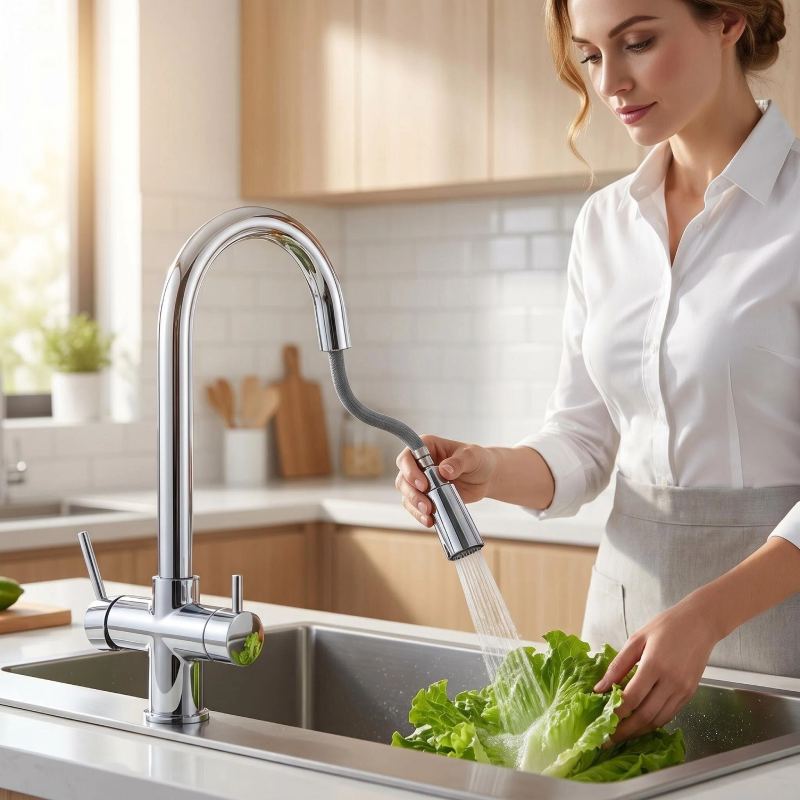
For users who pay close attention to space style and want to keep the countertop absolutely clean, a multi-way faucet system is the ideal upgraded solution. It integrates hot water, ambient filtered water, chilled filtered water, and chilled sparkling water into one elegant faucet terminal. This not only completely eliminates visual clutter on the countertop, but also perfectly matches the industrial aesthetic design of modern whole-home interiors.
Are Sparkling Water Coolers Worth It?
Buying a direct sparkling water dispenser is clearly a larger upfront investment than buying a regular kettle or water jug. To determine whether this budget is truly “worth it,” you should not simply calculate how much money it saves on bottled water. Instead, you should comprehensively evaluate your daily drinking habits, space conditions, and lifestyle.
To help you make a rational decision, we have organized a value assessment checklist. You can evaluate your needs based on the following core factors:
- Daily sparkling water consumption: If you, your family, or your team are heavy sparkling water drinkers and consume multiple bottles every day, the convenience advantage of the equipment will grow significantly.
- Number of users: Whether it is a large family with several people living together or an office with more than a dozen employees, the larger the user base, the lower the cost per cup of sparkling water.
- Bottled water cost: Calculate your monthly spending on premium bottled sparkling water, such as San Pellegrino or Perrier, plus the time cost of carrying, storing, and recycling plastic bottles.
- Kitchen or office space: Is your refrigerator often filled with cases of drinks? Is your countertop already crowded?
- Installation budget: Are you willing to pay the initial equipment and plumbing modification costs in order to achieve the ultimate drinking water experience and a cleaner visual effect?
- Sustainability preference: How important is reducing single-use plastic waste and practicing a low-carbon lifestyle or business culture to you?
Based on the above checklist, we can arrive at a very clear purchase logic:
- If you only drink one glass of sparkling water a day, or only drink it occasionally, then an affordable and easy-to-use small manual countertop soda maker may be completely enough for occasional use.
- If a family or office drinks sparkling water frequently every day, then a sparkling water cooler that dispenses instantly at the press of a button, without repeated manual carbonation or waiting for chilling, clearly brings a major improvement in experience. It completely eliminates the trouble of stocking and chilling bottled water, making the drinking experience extremely smooth.
- If you are preparing to renovate your kitchen or refresh your kitchen island, then an under-sink sparkling water system is definitely worth planning in advance. Installing it during the best stage for reserving pipelines and power can allow it to blend into your overall home design in the most perfect way.
Best Sparkling Water Cooler Setup for a Modern Kitchen
If you pursue the ultimate modern kitchen aesthetic and want to keep high-tech drinking water functions without compromising on a clean countertop, then traditional countertop or freestanding equipment clearly cannot meet your requirements. In modern integrated kitchen design, the best upgraded solution is undoubtedly a concealed high-end integrated system.
To achieve the highest balance of function and aesthetics in a modern kitchen, we strongly recommend the following golden four-in-one hardware setup:
- Under-sink sparkling water dispenser: The chilling and carbonation “heart” of the entire system, installed discreetly under the sink, operating efficiently without occupying any countertop space.
- Multi-way kitchen faucet: Replaces multiple separate faucets scattered around a traditional kitchen and uses one terminal to manage all water functions perfectly.
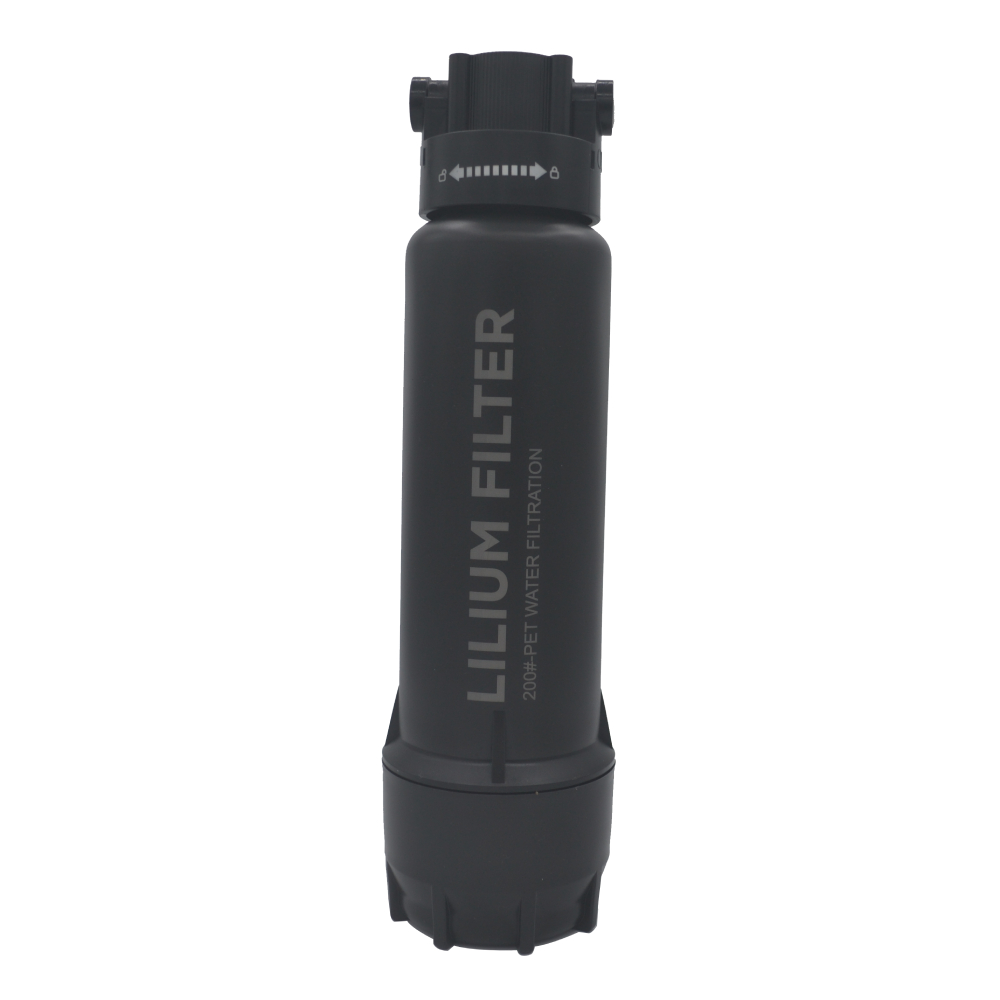
- Premium drinking water filter: Continuously supplies clean, impurity-free, high-quality water to the entire system.
- CO₂ cylinder and regulator combination: Securely placed inside the cabinet, providing a stable, safe, and long-lasting high-pressure gas source.
- The core advantage of this modern configuration is that one refined multi-way faucet perfectly integrates multiple independent internal water channels that do not interfere with one another.
- Depending on the specific faucet model you choose, you can easily switch between multiple water options by gently touching or rotating the same faucet handle:
- Hot and cold tap water: Connected to the everyday tap water supply and used for washing vegetables, washing dishes, and daily cleaning.
- Filtered still water: Purified through multi-stage filtration and suitable for daily cooking, soup making, or direct drinking.
- Chilled sparkling water: Rapidly chilled and carbonated under high pressure, ready to provide crisp and refreshing sparkling water at any time.
Depending on different multi-way faucet models, some high-end systems can even expand into more additional functions. This all-in-one integrated design not only gives the modern kitchen’s visual lines a highly technological and minimalist beauty, but also turns every glass of water into a premium and efficient experience.
Common Mistakes to Avoid When Choosing a Sparkling Water Cooler
When choosing a direct sparkling water dispenser, many users easily fall into hidden “traps” due to a lack of understanding of the underlying logic of the equipment. To avoid these issues, be sure to pay attention to the following common mistakes before making your final decision:
- Only looking at the machine price and ignoring CO₂ and installation costs: Many buyers only focus on the main unit price when comparing budgets. However, a sparkling water machine is a systematic project. Later CO₂ cylinder refill costs, filter replacement frequency, and the initial professional plumbing modification and installation labor costs are the key factors that determine long-term user experience and overall value.
- Treating a soda maker and a plumbed-in cooler as the same type of product: This is the most common conceptual confusion. A countertop manual soda maker requires manual carbonation and cannot chill water, making it suitable for occasional users. A plumbed-in direct dispenser is an intelligent system that integrates automatic chilling and carbonation. The two are completely different in dispensing continuity, taste, and automation level.
- Ignoring cabinet ventilation: An under-sink main unit needs heat dissipation during chilling, similar to a small refrigerator. If airflow inside the cabinet is completely ignored and heat builds up in an enclosed space, the equipment’s cooling efficiency will drop sharply, the sparkling effect will become weaker, and the main unit may even overheat and shut down frequently, shortening the lifespan of core components.
- Assuming all equipment can connect to a reverse osmosis system: Many high-end homes have installed RO water purifiers and naturally assume they can be used as the water source for a sparkling water machine. In fact, overly pure RO water lacks minerals, which can reduce bubble attachment. The lower output pressure of RO systems can also easily cause slow water intake, affecting overall refill efficiency.
- Using a filtration system with water pressure that is too low: Efficient operation of the carbonation pump requires stable and sufficient inlet water pressure. If the pre-filter system causes a sharp drop in water pressure, the internal carbonation tank cannot perfectly combine CO₂ with water under the required high pressure, directly resulting in weak and flat sparkling water.
- Not confirming faucet compatibility: This is especially important when choosing an under-sink system. You must confirm the hole size, turning radius, and multi-functional waterway arrangement of the new faucet in advance. If you only discover after renovation that the countertop hole size does not match or the faucet cannot work with the existing hot and cold water lines, the later modification process will be extremely frustrating.
- Not reserving enough space for the CO₂ cylinder: Whether under the sink or near the equipment, you must reserve a stable, safe, and independent space for placing the carbon dioxide cylinder upright. If the space is too tight, replacing the cylinder later will be very inconvenient, and a high-pressure cylinder being squeezed may also create safety risks.
Final Buying Checklist
Before you click “order” or sign a purchase contract, please go through the following final buying checklist one by one to ensure the selected model perfectly matches your actual space and usage needs:
- Daily Usage: How many people will use it daily? Evaluate the total number of daily users to avoid insufficient cooling capacity or over-configuration.
- Application Scene: Home, office, or hospitality use? Choose the corresponding equipment durability level based on home, office, or commercial hospitality scenarios.
- Water Preferences: Do you need chilled still water as well? Confirm whether you also need chilled purified water or ambient filtered water in addition to sparkling water.
- Form Factor: Do you want a countertop, freestanding, or under-sink system? Decide which format best fits your space planning.
- Cabinet Dimensions: Is there enough cabinet space? For under-sink systems, accurately measure the internal height and width of the cabinet and leave enough ventilation gaps.
- Water Supply Pressure: Is your water pressure stable? Confirm whether the water pressure at the source meets the standard stability required by the equipment’s carbonation system.
- Filtration System: Will you use a regular filter or RO system? Evaluate the pre-filtration solution. If using an RO system, additional confirmation of the pressure tank configuration is required.
- Gas Cylinder Storage: Where will the CO₂ cylinder be placed? Find a location where the high-pressure cylinder can stand upright, remain well ventilated, and be easy to remove and replace.
- Faucet Configuration: Do you need a separate faucet or multi-way faucet? Decide whether to add a separate sparkling water faucet on the countertop or upgrade directly to an all-in-one multi-way faucet.
- Maintenance & Installation: Who will handle installation and maintenance? Clarify the initial on-site plumbing installation and the later after-sales maintenance channels for filters and gas cylinders.
Conclusion
A high-quality sparkling water cooler has long gone beyond the simple category of a traditional “sparkling water maker.” In essence, it is a more efficient, cleaner, and future-oriented long-term modern drinking water solution. Through integrated smart technology, it completely eliminates the high bills, storage anxiety, and plastic waste burden caused by bottled water, bringing strong technological convenience and aesthetic value to modern spaces.
In actual selection, if you only drink sparkling water occasionally, a traditional manual countertop soda maker may be enough. But for modern homes that pursue the ultimate drinking water experience, office pantry areas with frequent interaction, and commercial hospitality spaces that place great importance on customer experience, a plumbed-in or under-sink direct sparkling water dispenser is the true long-term gold standard.
If you are planning a new kitchen island or want to bring new energy into your office space:
- Explore Liliumfaucet under-sink sparkling water dispenser: Learn more about Liliumfaucet’s under-sink direct sparkling water dispenser solution and experience the perfect combination of industrial aesthetics with a powerful chilling and carbonation core.
- Upgrade your kitchen with chilled sparkling water on tap: Make crisp, chilled sparkling water on demand a standard feature of your modern kitchen, completely freeing up refrigerator and countertop space.
- Choose a multi-way faucet system for a cleaner countertop: Choose an all-in-one multi-way faucet system, use one elegant terminal to manage all water channels, and create the ultimate clean modern countertop aesthetic.
FAQ
FAQ 1: What is a sparkling water cooler?
Simply put, it is an intelligent drinking water device that integrates rapid chilling and high-pressure CO₂ carbonation technology. Its core function is to filter clean water, cool it quickly, and inject gas into it, providing crisp and refreshing chilled sparkling water. According to different installation environments and space requirements, this type of equipment usually comes in three main forms: freestanding, countertop, and under-sink.
FAQ 2: How does a sparkling water cooler work?
Its fully automatic working process can be precisely broken down into four steps. First, the connected tap water is purified through the built-in filter cartridge to remove odors and impurities. Next, the chilling module rapidly cools the water to the ideal temperature for gas dissolution. Then, the system precisely injects CO₂ gas into the chilled water under high pressure to complete carbonation. Finally, the user only needs to press a button, and perfect chilled sparkling water is dispensed instantly.
FAQ 3: Do sparkling water coolers need CO₂?
Yes. All true direct sparkling water dispensers need a gas source. To produce fine, long-lasting, and powerful bubbles in the water, the system must be connected to a dedicated CO₂ cylinder. At the same time, the equipment needs a high-precision regulator to strictly control gas injection pressure. This is also the core hardware that ensures both safety and taste.
FAQ 4: Is a sparkling water cooler better than a SodaStream?
This completely depends on how frequently you use it. If you only drink sparkling water occasionally, a manual countertop soda maker such as SodaStream is simpler to operate and has a lower initial cost. But for families, corporate offices, or users who pursue maximum convenience and drink sparkling water frequently, a direct sparkling water dispenser clearly offers a better experience. It provides chilled sparkling water instantly, eliminating the troublesome steps of manual carbonation, frequent gas cylinder replacement, and pre-chilling water in the refrigerator.
FAQ 5: Can I connect a sparkling water cooler to an RO system?
This depends on the hardware configuration of the specific main unit, but it is usually not the preferred recommendation. On one hand, the output pressure of some reverse osmosis systems is too low, which can easily cause the sparkling water machine to refill and chill much more slowly. On the other hand, the overly purified water produced by an RO system lacks necessary minerals, which directly weakens the attachment of carbon dioxide and causes the sparkling taste to become thin and disappear too quickly. Therefore, a regular high-efficiency drinking water filter is often more suitable for a sparkling water machine than an RO system.
FAQ 6: Are sparkling water coolers good for offices?
They are very suitable. Introducing this type of equipment not only provides employees with healthier and more diverse office hydration options, greatly improving the employee benefits experience, but also helps administrative teams reduce the pressure of purchasing, carrying, and storing cases of bottled drinks. Depending on the specific model, it can provide chilled purified water, ambient water, and refreshing sparkling water in one pantry area, making it highly efficient and low-carbon.
FAQ 7: What type of sparkling water cooler is best for home use?
For families that value modern design and practicality, an under-sink sparkling water dispenser paired with a multi-way faucet is undoubtedly the gold standard. This configuration completely hides all bulky machine boxes, filter cartridges, and high-pressure gas cylinders under the sink, taking up no valuable countertop workspace and keeping the visual lines of a modern kitchen extremely clean and minimalist.
FAQ 8: How much space does an under-sink sparkling water cooler need?
The space under the cabinet usually needs to reserve room for four parts: the chilling and carbonation main unit, the CO₂ cylinder, the pre-filtration water lines, and the necessary ventilation space for heat dissipation. Since the sizes of different brands and capacities vary significantly, users are strongly advised to accurately measure the actual internal dimensions of the cabinet before ordering and ensure that the cabinet door or side panel has ventilation slats or other airflow gaps to prevent the machine from overheating.
FAQ 9: Does sparkling water from a cooler taste different from bottled sparkling water?
Yes, there can indeed be subtle differences in taste and flavor. The final taste of freshly made sparkling water from a direct dispenser largely depends on your local tap water source, the precision of the pre-filtration system, the immediate water temperature, CO₂ injection pressure, and mineral content. Through the built-in pressure adjustment system of high-end equipment, you can easily adjust a crisp, full, and customized carbonation mouthfeel that can rival premium bottled sparkling water brands on the market.
FAQ 10: Is a sparkling water cooler worth it?
If you or your team are heavy sparkling water drinkers, this investment is absolutely worth it. Its core value lies in giving you unlimited chilled sparkling water anytime, anywhere, instantly ready to drink. In the long run, it not only helps you completely get rid of the trouble of frequently buying, storing, and recycling bottled water, but also makes your living or working space more low-carbon, modern, and efficient.
.jpeg?w=800&h=800)