Clean drinking water has become a priority in modern kitchens. More homeowners are moving beyond bottled water and basic pitchers, choosing built-in drinking water faucets that deliver filtered or purified water directly from the sink area.
A good drinking water faucet does more than look neat on the countertop. It helps improve daily convenience, supports safer hydration, and can reduce plastic bottle waste. Whether you are remodeling your kitchen, upgrading your filtration system, or simply looking for better-tasting water, choosing the right faucet matters.
This guide explains what a drinking water faucet is, the main types available, how to install one, and how to maintain it for long-term performance.
What Is a Drinking Water Faucet for Kitchen Sink?
A drinking water faucet is a dedicated faucet designed to dispense filtered or purified water at the kitchen sink. It is usually connected to an under-sink water filter, reverse osmosis system, or multi-stage filtration system.
Unlike a standard kitchen sink tap, which delivers regular hot and cold tap water, a drinking water faucet is connected to a filtration pathway. This means the water you use for drinking, cooking, coffee, tea, baby formula, and pet bowls can be cleaner and better tasting.
The main differences include:
- Water source: A regular faucet uses direct municipal or well water; a drinking faucet connects to a filter system.
- Purpose: Standard faucets are for washing, rinsing, and general kitchen tasks; drinking faucets are for safe, filtered water.
- Design: Drinking water faucets often have smaller spouts and lower flow rates.
- Material safety: Quality models are made with food-grade materials and lead-free components.
When comparing options, look for products that meet recognized safety standards such as NSF, FDA, or CE requirements. These certifications can help confirm that the faucet materials are suitable for contact with purified water and daily drinking use.
Types of Drinking Water Faucets
There are several types of drinking water faucets, and the best option depends on your kitchen layout, water quality, budget, and installation preference.
Common types include:
- Under sink water filter faucet
- Countertop filter faucet
- Reverse osmosis drinking faucet
- Multi-stage filtration faucet
- 3 way filter faucet
Each one has different advantages.
Filtered Water Faucet
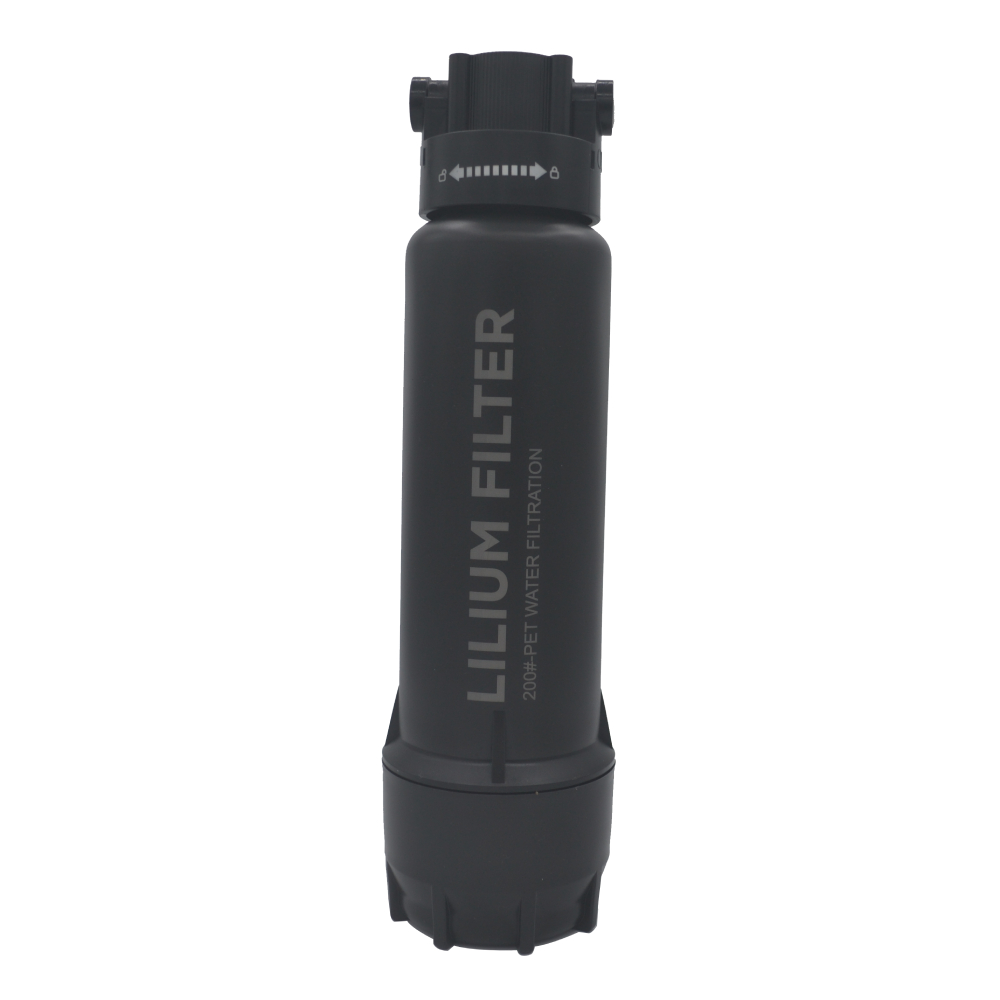
A filtered water faucet connects to a filtration cartridge or under-sink filter system. Water passes through the filter before reaching the faucet, helping reduce sediment, chlorine taste, odors, and certain contaminants depending on the filter type.
Benefits include:
- Simple structure
- Affordable price
- Easy installation
- Good water taste improvement
- Suitable for everyday drinking and cooking
This is a practical choice for homes with generally safe tap water but unpleasant taste, odor, or visible sediment.
RO Drinking Water Faucet
An RO drinking water faucet connects to a reverse osmosis system. RO filtration pushes water through a fine membrane that can reduce many dissolved solids, heavy metals, and other impurities.
Advantages include:
- Very clean, purified water
- Effective reduction of many contaminants
- Better taste for drinking, tea, and coffee
- Good choice for areas with hard water or poor water quality
However, RO systems also have some limitations:
- Slower water flow
- Higher installation cost
- More filter components to maintain
- Requires space under the sink
- May need a storage tank
RO water is not necessary for every home, but it can be a strong option when water quality is a concern.
Countertop vs Under-Sink Faucets
Countertop and under-sink systems differ mainly in installation, appearance, and space use.
A countertop filter faucet sits on or near the countertop and usually connects directly to the existing tap. It is easy to install and often does not require drilling.
Pros:
- Simple setup
- No major plumbing work
- Easy to move or replace
- Good for renters
Cons:
- Takes up counter space
- More visible
- May not match the kitchen design
An under sink water filter faucet connects to a filter installed inside the cabinet below the sink. The faucet is mounted on the sink or countertop.
Pros:
- Cleaner appearance
- Saves counter space
- Better long-term setup
- Often supports larger filter systems
Cons:
- Requires under-sink space
- May need drilling
- Installation takes more time
For homeowners who want a neat, built-in look, under-sink systems are usually the better choice.
3 Way Faucet
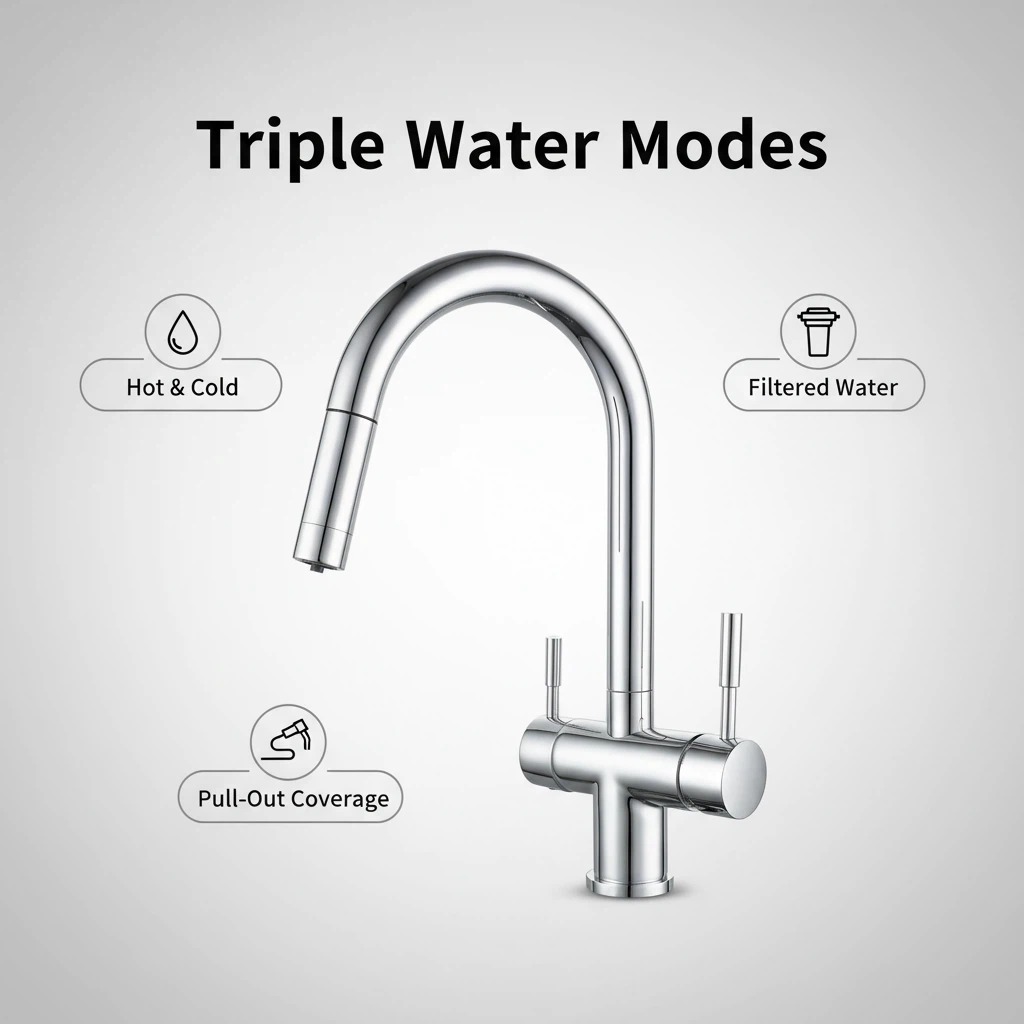
A 3 way filter faucet, also called a 3 in 1 faucet, combines regular hot water, regular cold water, and filtered drinking water in one faucet body.
This type is technically part of the under-sink faucet category because it connects to a filter system below the sink. The difference is that you do not need a separate small drinking water faucet. Everything comes through one main kitchen faucet.
Benefits of a 3 way faucet include:
- Cleaner countertop with fewer holes
- Hot, cold, and filtered water from one faucet
- Better kitchen appearance
- Convenient dual-handle or separate-control design
- Ideal for modern kitchens with limited sink space
For many homeowners, a 3 way faucet is the most elegant solution. It keeps the sink area tidy while still providing dedicated filtered water.
How to Install a Drinking Water Faucet
Many drinking water faucets can be installed as a DIY project, especially if your sink already has an extra hole for a soap dispenser or old sprayer. If drilling into stone, quartz, or ceramic is required, it may be better to hire a professional.
Basic tools and parts may include:
- Adjustable wrench
- Drill and hole saw, if needed
- Plumber’s tape
- Tubing cutter
- Filter system or RO system
- Faucet mounting hardware
- Water supply adapter
- Towels and bucket
General installation steps:
-
Turn off the water supply
Shut off the cold water valve under the sink before starting. -
Choose the faucet location
Use an existing sink hole if available. If not, mark a safe drilling location. -
Install the faucet body
Insert the faucet stem through the sink or countertop hole, then secure it from below with the washer and mounting nut. -
Connect the tubing
Attach the water line from the filtration system to the faucet inlet. Make sure the tubing is fully inserted and secure. -
Connect the filter system
Follow the filter manufacturer’s instructions for connecting the water supply, filter cartridge, and outlet tubing. -
Check for leaks
Turn the water supply back on slowly. Inspect all connections carefully. -
Flush the system
Let water run for several minutes, or according to the filter instructions, before drinking.
Safety tips:
- Do not overtighten plastic fittings.
- Keep tubing away from sharp edges.
- Use only food-grade tubing.
- Confirm hot and cold lines before connecting a 3 way faucet.
- If you are unsure about drilling or plumbing connections, call a professional installer.
- For visual learners, an installation video from the faucet or filter manufacturer can be very helpful because fittings and tubing styles vary by model.
Choosing the Best Drinking Water Faucet
When looking for the best drinking water faucet, focus on safety, compatibility, and daily usability rather than appearance alone.
Material
The faucet material affects durability and water safety.
Good options include:
- Stainless steel: Durable, corrosion-resistant, and modern-looking.
- Lead-free brass: Strong and long-lasting when properly certified.
- Food-grade plastic components: Common inside filter systems and tubing.
Avoid low-quality faucets with unclear material information, especially for drinking water use.
Filtration Compatibility
Before you buy a drinking water faucet, confirm that it matches your filtration system.
Check:
- Tubing size
- Water pressure range
- RO compatibility
- Air gap or non-air gap requirement
- Number of water channels
- Connection type
RO systems may require a specific faucet type, especially if local plumbing rules require an air gap faucet.
Flow Rate
A higher flow rate is convenient, but filtration systems naturally slow water down. For drinking water, steady and clean flow is more important than high pressure.
RO systems often have slower flow because the water passes through a fine membrane and may come from a storage tank.
Size and Design
Choose a faucet that fits your sink area. Consider:
- Spout height
- Spout reach
- Handle clearance
- Finish color
- Sink hole size
- Cabinet space below
For a minimalist kitchen, a 3 way faucet may be better than adding a separate filtered water faucet.
Brand and Price
Prices vary widely. Basic filtered water faucets are often affordable, while premium 3 way faucets and RO faucets cost more.
When comparing brands, look at:
- Product warranty
- Replacement parts availability
- Customer reviews
- Certification details
- Installation support
- Compatibility with common filter systems
If you plan to buy drinking water faucet kits online, make sure the package includes the correct mounting hardware, tubing, and adapters for your setup.
Maintenance and Cleaning Tips
A drinking water faucet works best when the entire filtration system is maintained properly. Ignoring filter replacement can reduce water quality and flow.
Replace Filters Regularly
Most filters should be replaced every 3–6 months, but the exact timing depends on:
- Water quality
- Daily water use
- Filter type
- Household size
- Manufacturer recommendation
RO systems may have several cartridges with different replacement schedules. Always follow the system manual.
Clean the Faucet Exterior
Wipe the faucet regularly with a soft cloth and mild soap. Avoid harsh chemicals or abrasive pads, especially on brushed, matte black, gold, or stainless finishes.
Clean the Spout
Mineral deposits can build up around the outlet. Remove and clean the aerator if the faucet has one. Soaking removable parts in a mild vinegar solution can help dissolve scale, but check finish compatibility first.
Prevent Bacterial Growth
To keep the faucet sanitary:
- Use the faucet regularly.
- Flush after long periods of non-use.
- Keep the spout clean and dry.
- Replace old tubing if it becomes cloudy or discolored.
- Sanitize the system according to the filter manufacturer’s instructions.
If the water develops an unusual taste, odor, or color, stop using it and check the filter, tubing, and connections.
FAQ
Do I need a separate drinking water faucet if I have a filtered pitcher?
A filtered pitcher can improve taste, but a built-in drinking water faucet is more convenient and often more consistent. You get filtered water instantly without refilling a pitcher or waiting for gravity filtration.
For families who drink a lot of water, cook often, or want a cleaner sink routine, a dedicated faucet is usually a better long-term investment.
Can I install a drinking water faucet myself?
Yes, many homeowners can install a drinking water faucet themselves if there is already an available sink hole and the system uses simple push-fit tubing. Basic tools are usually enough.
However, if you need to drill through stone countertops, connect a complex RO system, or install a 3 way faucet with hot, cold, and filtered lines, professional installation may be safer.
How often should I replace the filter?
Most drinking water filters should be replaced every 3–6 months, but this depends on water quality, usage volume, and filter type. A large household or poor incoming water quality may require more frequent replacement.
Always follow the manufacturer’s recommended schedule. If water flow becomes slow or the taste changes, check the filter sooner.
Is an RO water faucet necessary for all homes?
No. RO filtration is useful for homes with specific water quality concerns, such as high dissolved solids, heavy metals, or unpleasant taste that basic filtration cannot solve.
If your tap water is already safe and you mainly want better taste, a standard filtered water faucet may be enough. If you are unsure, start with a water quality test and choose the filtration level based on the results.
What is the difference between a 3 way faucet and a filtered water faucet?
A filtered water faucet is usually a separate small faucet used only for filtered water. A 3 way faucet combines hot water, cold water, and filtered water in one main kitchen faucet.
The 3 way design saves countertop space and creates a cleaner look. It is especially useful when you do not want to drill an extra hole for a separate drinking water faucet.
Conclusion
A drinking water faucet for kitchen sink use is a practical upgrade for healthier, easier daily living. The right choice depends on your water quality, kitchen space, budget, and installation preference.
For simple taste improvement, a filtered water faucet may be enough. For higher purification needs, an RO drinking water faucet is worth considering. For a clean and modern kitchen layout, a 3 way filter faucet offers one of the most convenient solutions.
Choose safe materials, confirm system compatibility, replace filters on time, and keep the faucet clean. With the right setup, fresh drinking water becomes part of your kitchen routine every day.
.jpeg?w=800&h=800)