
Sparkling water taps are becoming increasingly popular in modern kitchens, offering instant access to chilled, carbonated water right from the sink. Whether you enjoy sparkling drinks daily, want to reduce plastic waste, or simply want a premium upgrade for your kitchen, installing a sparkling water tap is an appealing choice.
But one of the biggest questions homeowners ask is: How much does it cost to install a sparkling water tap?
This guide breaks down the full cost, installation factors, extra expenses, and expert tips so you can plan your budget with confidence.
What Is a Sparkling Water Tap and How Does It Work?
A sparkling water tap—usually paired with an under-sink carbonation system—dispenses filtered, chilled, carbonated water instantly. These systems typically include:
-
An under-sink sparkling water machine
-
A CO₂ cylinder for carbonation
-
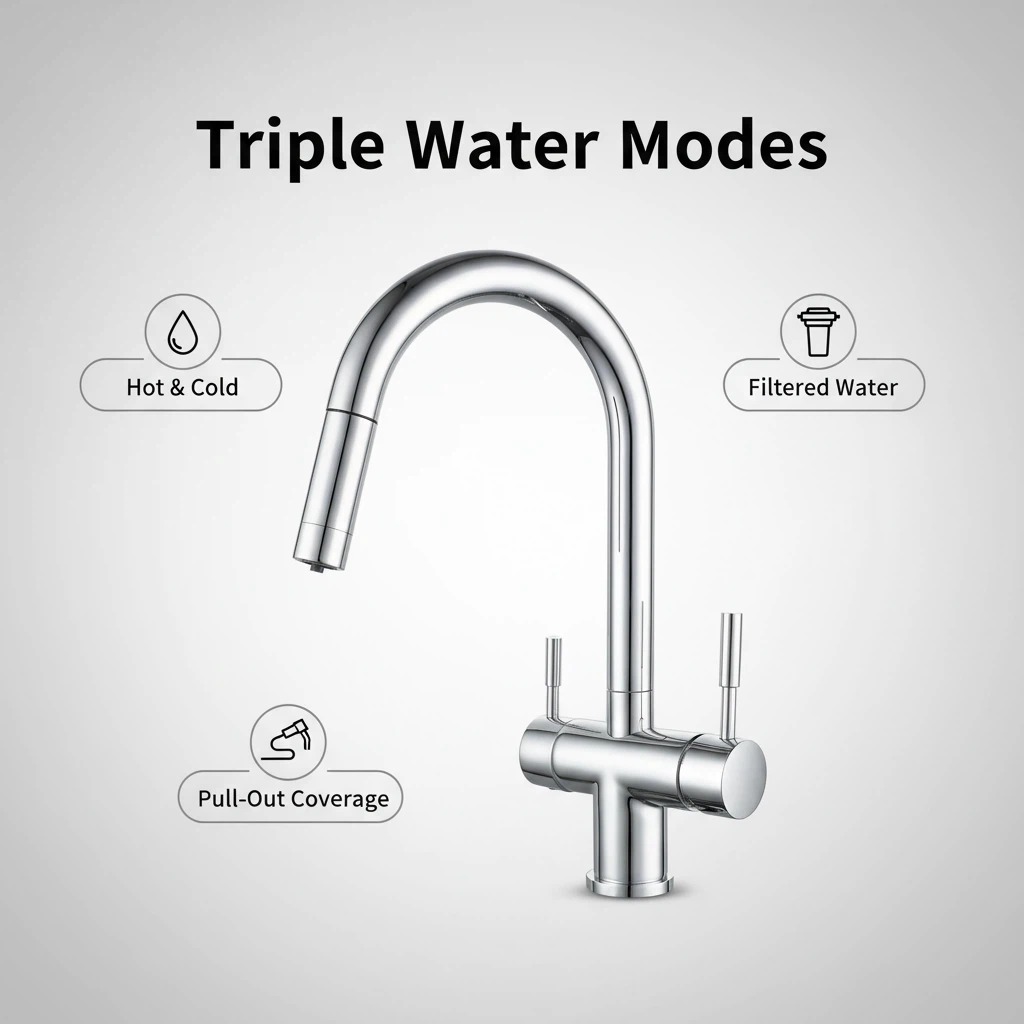
A dedicated sparkling water tap or a 3-way/5-way combination faucet
-
Tubing, connectors, and a power supply
The system works by first filtering and cooling the incoming tap water. Then, inside the carbonation chamber, the machine injects CO₂ from the cylinder into the chilled water under high pressure. Finally, the carbonated water is delivered to the sink through a dedicated faucet or a multifunctional tap.
This setup is not only fast and convenient but also more cost-effective and environmentally friendly compared to buying bottled sparkling water.
Average Cost to Install a Sparkling Water Tap
The total cost depends on your location, the complexity of the installation, and the type of system you choose. Below is a breakdown of the typical price range:
1. Equipment Cost: $1,000–$2,000
The price varies depending on brand and features:
-
Basic under-sink carbonators: $500–$900
-
Advanced systems with chilling, carbonation, and filtration: $1,000–$2,000
-
3-way or 5-way faucets (hot, cold, filtered, sparkling): $150–$350
2. CO₂ Cylinder Cost: $30–$70
Typical refill prices:
-
Small cylinder (425g): $30–$40
-
Large cylinder: $50–$70
3. Professional Installation Cost: $150–$400
Labor fees vary by region:
-
United States: $150–$350
-
Canada: $180–$400
-
UK/Australia: £120–£280 / $180–$350
4. Total Estimated Cost
This includes the system, faucet, CO₂ cylinder, and professional installation.
| Installation Setup | Estimated Cost | Suitable For |
|---|---|---|
| Basic System + DIY | $680–$1,320 | Users with basic plumbing skills; non-refrigerated models |
| Advanced System + DIY | $1,200–$2,400 | Users choosing full-featured units and installing themselves |
| Basic System + Professional Install | $830–$1,720 | Basic machine requiring plumber assistance |
| Advanced System + Professional Install | $1,400–$2,800 | Best convenience; full-feature system installed by professionals |
Basic DIY Installation: Cost-Saving but Requires Caution
If you have basic home plumbing knowledge and are willing to spend a few hours on the setup, DIY installation can be a significant cost saver. This usually involves drilling a hole in the sink or countertop, installing water line adaptors, and positioning the under-sink carbonator and CO₂ cylinder.
However, improper installation can lead to issues such as leaks or incorrect pressure settings, which may affect the system’s performance and lifespan. Therefore, always follow the manufacturer’s instructions carefully and make sure all tubing and fittings are firmly and securely sealed.
Key Factors That Influence the Cost of Installing a Sparkling Water Tap
The total cost of installing a sparkling water tap depends not only on the equipment itself but also on the installation environment and labor fees.
1. System Type and Level of Function Integration
The type of system you choose directly determines the equipment price and installation complexity.
| System Type | Core Functions | Cost Impact | Ideal Users |
|---|---|---|---|
| Standalone Sparkling Water Faucet | Carbonated water only (requires independent water source) | Lowest | Users with limited budgets or existing filtration systems |
| 3-Way / 5-Way Combination Faucet | Sparkling water, filtered water, cold water, hot water (5-way) | Medium to high | Users upgrading the entire kitchen faucet system |
| Under-sink Carbonator & Integrated System | Cooling, carbonation, filtration | Highest equipment cost | Users seeking maximum performance and convenience |
The more functions a system integrates, the higher the cost tends to be.
For example, a 5-way faucet with instant hot-water capability is significantly more complex—and therefore more expensive—than a single-function sparkling water faucet.
Example from Liliumfaucet:
3-way sparkling water faucet: $150
5-way sparkling water faucet: $259
3-way faucet + under-sink carbonation machine: $1129
2. Complexity of the Installation Environment
Your kitchen’s current layout and infrastructure are major factors affecting labor fees.
-
Plumbing modifications:
If additional or extended water lines are required for the carbonator, expect an extra $50–$150 in materials and labor. -
Adding a power outlet:
Sparkling water machines—especially chilled models—require their own electrical outlet.
Installation by an electrician usually costs $80–$150. -
Limited under-sink space:
Tight or complicated cabinet spaces often increase installation time and overall cost.
3. Regional Labor Cost Differences
Professional installation fees vary greatly by location.
Cities with high living costs—such as New York, Toronto, or London—may charge nearly double compared to smaller towns.
This is an important factor to keep in mind during budgeting.
4. Brand and Material Quality
Choosing high-quality materials impacts both aesthetics and durability.
-
Premium materials:
Faucets made from 304 stainless steel, Swiss Neoperl aerators, and high-quality filters deliver better longevity and water quality but increase total cost. -
Brand reliability:
Well-established brands offer stronger warranties and better customer service.
While the upfront cost is slightly higher, they help reduce long-term maintenance risks.
Liliumfaucet example:
Liliumfaucet uses 304 stainless steel and premium components to ensure durability and safe drinking water, making it a reliable long-term choice.
Additional Ongoing Costs to Consider
Although sparkling water taps help save money compared to buying bottled sparkling water, there are small recurring operating costs.
1. Filter Replacement Frequency and Cost
If your system includes a water filter, plan to replace the filter every 3–6 months, typically $20–$80.
High-quality activated carbon filters significantly improve the taste of sparkling water.
2. CO₂ Cylinder Refill or Replacement Cost
CO₂ cylinder refill or replacement usually costs $30–$70.
Usage lifespan:
Most households replace a cylinder every 1–3 months, depending on consumption.
Buying multiple cylinders at once or choosing a large-capacity cylinder can reduce cost per use.
3. System Maintenance
Modern sparkling water systems require minimal maintenance, but occasional care is needed:
-
Replacing aged tubes
-
Cleaning the carbonation chamber to prevent scale buildup
-
Periodic checks on the cooling system
Choosing a reputable brand helps reduce the frequency of maintenance issues.
Can You Install a Sparkling Water Tap Yourself?
Whether you should choose DIY or professional installation depends on your skills and kitchen setup.
DIY Installation: A Cost-effective Choice
Feasibility:
Yes. Many basic units are designed for user-friendly installation, suitable for homeowners with basic plumbing knowledge.
Advantages:
-
Save $150–$400 in labor fees
-
Install according to your own schedule
Disadvantages:
-
Potential risk of leaks or unstable CO₂ pressure
-
Incorrect installation may void the product warranty
Best suited for:
Kitchens with existing power outlets, accessible water lines, and sufficient under-sink space.
Professional Installation: A Safe and Reliable Option
Recommended when:
-
You are installing a complex 5-way faucet system
-
You have no plumbing or electrical experience
-
Your kitchen requires countertop drilling or cabinet modifications
Professional value:
An expert ensures proper CO₂ pressure settings, leak-free connections, and long-term reliability—preventing costly repairs due to installation errors.
Money-saving Tips for Installation
-
Choose integrated systems such as 3-way or 5-way faucets to avoid installing two separate faucets.
-
Buy CO₂ cylinders in bulk to get better pricing.
-
Install the system near existing water lines and power outlets to reduce modification costs.
-
Choose energy-efficient cooling units to lower long-term electricity bills.
-
Select compact under-sink systems to reduce cabinet modification time.
How to Choose the Right Sparkling Water Tap Based on Your Budget
| Budget Range | Recommended Setup & Features | Key Considerations |
|---|---|---|
| Under $400 | Basic carbonator + sparkling water faucet; DIY installation | No chilling; focus on carbonation only |
| $400–$700 | Carbonator + chiller + 3-way faucet | Balanced performance and price; chilled sparkling water |
| $700+ | Premium 5-way faucet + high-capacity cooling system | Ideal for high-demand households or offices; full functionality |
Important specs to consider:
-
PSI range: Determines bubble intensity
-
Cooling capacity: Affects chilling speed and volume
-
Material: 304 stainless steel recommended
-
CO₂ compatibility: Ensure cylinder types are easy to purchase
-
User feedback: Real experiences help avoid poor-performing systems
Real User Insights (Expert Takeaways)
-
Installation time: Many homeowners report DIY installation takes 40–90 minutes, faster than expected.
-
CO₂ usage: Typically lasts 1–3 months, depending on family size and usage patterns.
-
Taste adjustments: Adjusting PSI is key to improving carbonation level and mouthfeel.
-
Water quality: Users note significant improvement in sparkling water taste when using high-quality filtered water.
Conclusion
The total cost of installing a sparkling water tap typically ranges from $450 to $1300, depending on your preferred system features and installation complexity.
Once properly installed, you can enjoy instant refreshing sparkling water directly from your tap—saving time, reducing bottled water expenses, and cutting down on plastic waste.
A sparkling water tap is not just a luxury kitchen upgrade—it’s a long-term convenience and an eco-friendly lifestyle improvement.
If you'd like, I can also help you compare different brands—including Liliumfaucet—to help you choose the ideal system for your home.
Frequently Asked Questions (FAQ)
Below are the most common questions users ask when considering the installation of a sparkling water tap system:
Q1: How long does it take to install a sparkling water tap?
A: It typically takes 1 to 2 hours.
The actual time required mainly depends on the system's complexity. A basic DIY installation may take only 45 minutes to 1 hour, while installing a more complex system that includes cooling, filtration, and five-way functionality—especially if additional plumbing or electrical work is needed—may take up to 2 hours or longer.
Q2: Does a sparkling water tap require electricity?
A: Yes, most under-sink sparkling water systems require power.
Electricity is mainly used for the cooling and carbonation processes. To deliver chilled sparkling water, the cooling compressor must run continuously. If you choose a basic carbonation-only system without a cooling function, the power consumption will be very low—often only for control modules and valves.
Q3: Is it safe to use CO2 cylinders at home?
A: Absolutely safe.
The CO2 cylinders used in sparkling water systems are food-grade and undergo strict sealing and pressure testing. They are designed specifically for home environments. As long as you follow the manufacturer’s instructions to connect and position the cylinders correctly—and periodically check all connections—the system is safe to use. Most cylinders also come equipped with safety valves to prevent over-pressure.
Q4: How often do I need to replace the CO2 cylinder?
A: Typically every 1 to 3 months.
The replacement frequency depends on your usage level:
-
Low-usage households: Every 3 months or longer.
-
High-usage households or offices: About once per month.
Most systems indicate low CO2 levels through a display light, or you may notice weaker carbonation—which means it's time to replace or refill the cylinder.
Q5: Can I choose not to install a water filter?
A: Yes, but it is not recommended.
Technically, you can connect the system directly to tap water. However, filtered water significantly improves carbonation performance and taste quality. A filter removes chlorine, odors, and impurities that can interfere with the carbonation process and negatively affect flavor. Using clean water also helps extend the lifespan of the carbonation chamber and faucet.
.jpeg?w=800&h=800)
.jpg?w=375&h=247)