Sparkling water, with its unique flavor and health benefits, is increasingly becoming a popular trendy beverage, holding an ever-growing place in the market. From the refined tables of upscale restaurants to everyday family meals; from fashionable convenience stores in bustling cities to cozy shops in quiet rural towns, sparkling water is everywhere. Its consumer base continues to expand, spanning all age groups and income levels.
The charm of sparkling water primarily comes from its distinctive and delightful mouthfeel. When those fine, long-lasting bubbles dance lightly on your tongue and rise cheerfully, it’s as if countless tiny sprites are playing a lively symphony in your mouth, delivering a refreshing, stimulating, and pleasurable sensory experience. This unique sensation can instantly awaken the taste buds, dispel summer’s heat and fatigue, and add a special touch of fun and surprise to otherwise plain meals.
From a health perspective, sparkling water offers significant advantages over traditional carbonated soft drinks. It usually contains little to no added sugar, avoiding a host of health problems caused by excessive sugar intake, such as obesity, tooth decay, and diabetes. Additionally, the carbon dioxide in sparkling water can stimulate the stomach lining, promote gastric acid secretion, and enhance gastrointestinal motility, which helps improve digestion and relieve discomfort like indigestion and bloating. Some studies also suggest that moderate consumption of sparkling water may have positive effects on cardiovascular health, such as reducing blood viscosity and improving circulation.
Making sparkling water at home is undoubtedly an economical and environmentally friendly solution. By preparing it yourself, you can customize the flavor and carbonation to your personal preferences, creating a unique drink tailored just for you. It also effectively lowers beverage costs and saves household expenses. At the same time, homemade sparkling water avoids the use of disposable plastic bottles, reducing plastic waste and contributing to environmental protection. In the following sections, this article will provide professional methods and tips for making sparkling water at home, helping you easily embark on a healthy, eco-friendly, and delicious sparkling water journey.
What is Sparkling Water?
Sparkling water is a carbonated beverage created by physically injecting carbon dioxide into water under pressure or through natural geological processes that dissolve CO₂ into the water. It differs significantly from seltzer water (which contains sodium bicarbonate) and club soda (which has added mineral salts) in terms of ingredients, production methods, and health effects. The bubbles in sparkling water can stimulate gastric acid secretion and promote digestion. Its zero-sugar characteristic helps with blood sugar control, and by regulating blood pH levels, it can optimize metabolism. Drinking sparkling water during exercise may also enhance endurance.
Making sparkling water at home costs only about one-sixteenth of commercial products and avoids plastic packaging pollution. By precisely controlling the carbon dioxide concentration and adding natural ingredients, homemade sparkling water enables personalized health management. It is an ideal choice that balances economy, ecology, and quality of life.
Essential Equipment Needed
Carbonation Machine (e.g., Sparkling Water Maker)
Core Function: Injects carbon dioxide into water under pressure to create carbonation.
Taking the Liliumfaucet Sparkling Water System as an example, this is a typical home solution that integrates direct filtration, CO₂ pressurization, and instant chilling—offering convenience, health benefits, and a premium taste experience.
1. Core Components and Working Principle of the System
Liliumfaucet Main Unit
Function: Serves as the control center, integrating water filtration, CO₂ pressurization, carbonation reaction, and cooling.
Key Features:
-
Built-in Cooling System: Uses semiconductor or compressor cooling to maintain water temperature at 4–8°C, enhancing the refreshing sensation and increasing CO₂ solubility.
-
Gas-Liquid Mixing Chamber: Utilizes either the Venturi effect or spray-type nozzles to ensure full contact between high-pressure CO₂ and purified water, forming fine and uniform microbubbles (typically 0.2–0.5 mm in diameter for a smoother mouthfeel).
-
Pressure Regulating Valve: Allows manual or automatic adjustment of CO₂ pressure to control bubble concentration (higher concentrations stimulate gastric acid; lower concentrations reduce bloating).
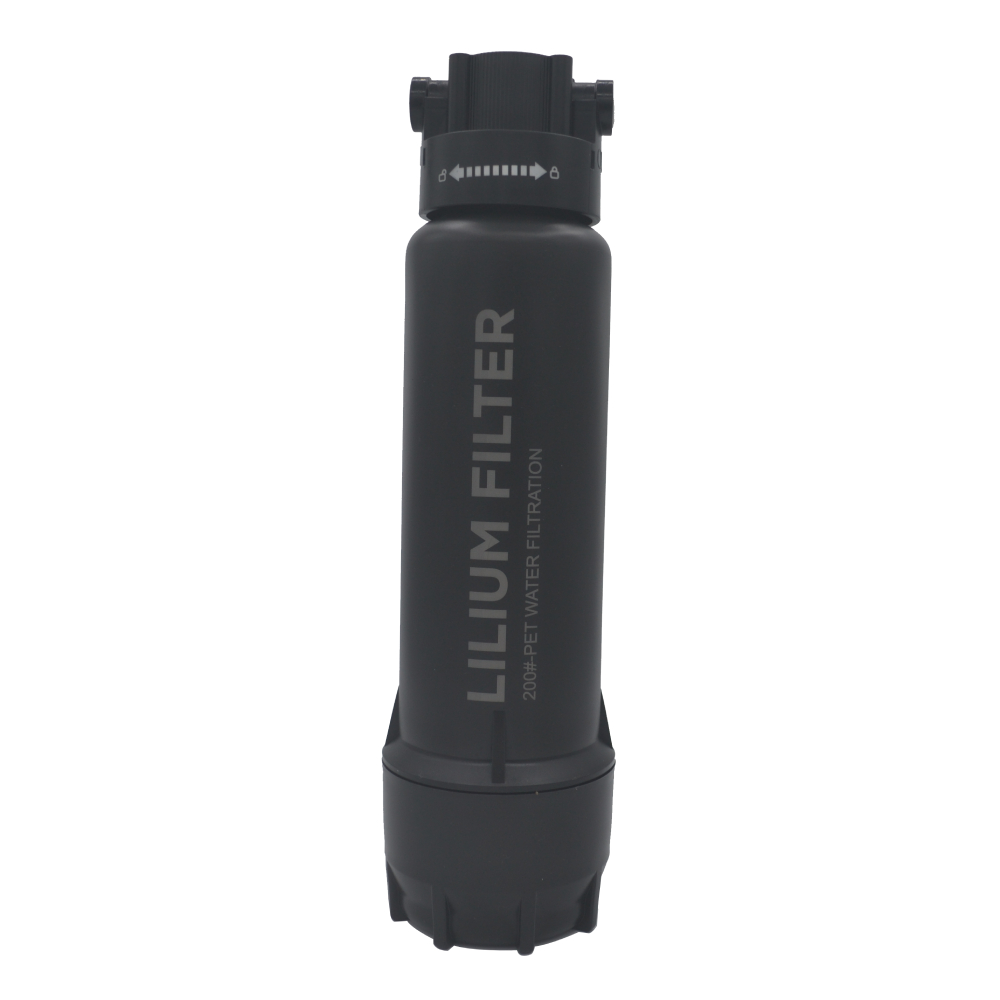
2. Direct-Connect Water Purifier
Why It’s Necessary:
Tap water may contain chlorine, heavy metals, or impurities that negatively affect both taste and health.
Recommended Setup:
-
Pre-filter: Captures large particles (e.g., rust, sediment) and prolongs the life of downstream filter cartridges.
-
RO Membrane (Reverse Osmosis): With a filtration precision of 0.0001μm, it removes bacteria, viruses, and heavy metals, producing ultra-pure water with TDS ≤ 50 ppm (mineral-free to ensure better CO₂ solubility).
-
Activated Carbon Filter: Adsorbs residual chlorine and odors, improving taste.
3. CO₂ Cylinder and Pressure Regulator
Cylinder Selection:
-
Must use food-grade CO₂, compliant with GB 10621-2006 standards, to avoid contamination from industrial-grade gases.
Pressure Regulator Function:
-
Reduces the high pressure from the cylinder (typically 60–80 Bar) to a manageable 3–6 Bar for the main unit, preventing equipment damage.
-
Maintains consistent output pressure to ensure stable bubble concentration (preventing poor taste from pressure fluctuations).
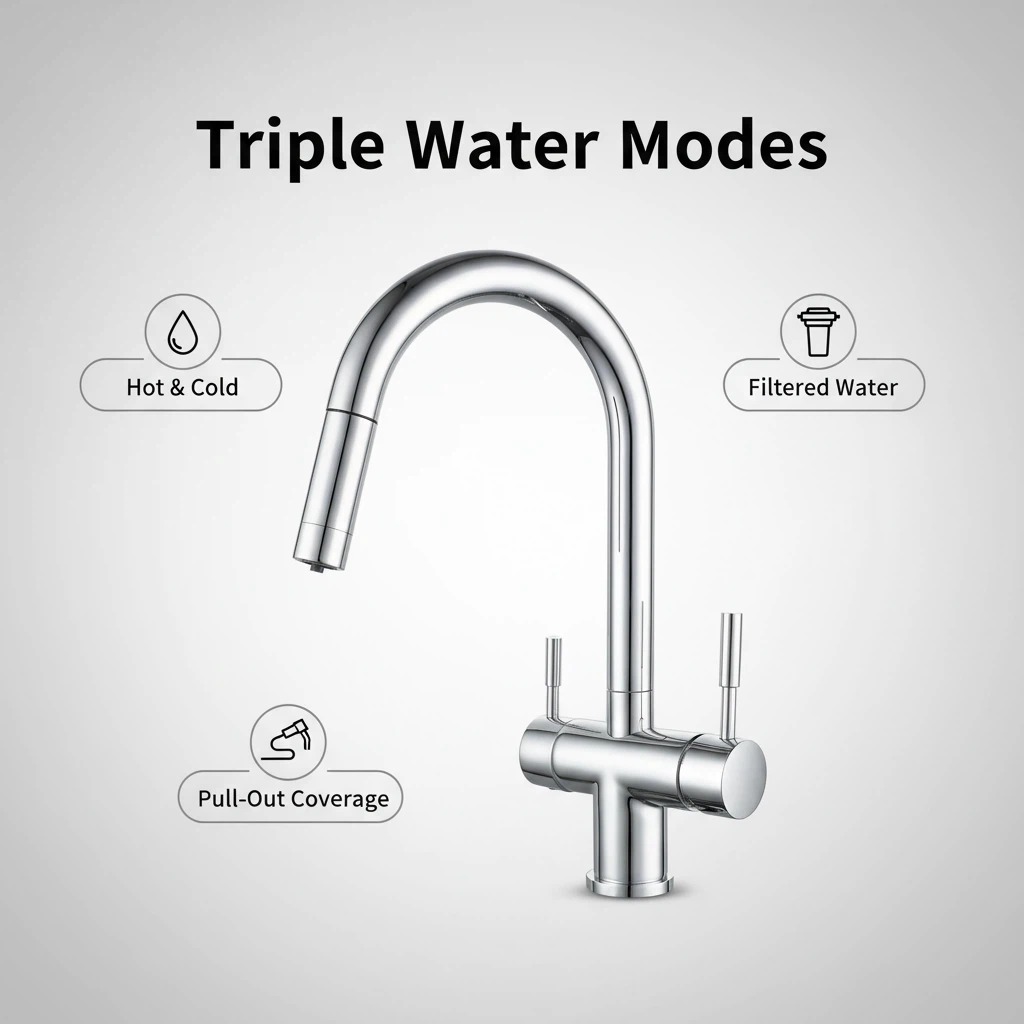
4. Sparkling Water Faucet
Design Highlights:
-
Anti-splash Structure: Uses honeycomb-shaped outlets or flow buffers to minimize bubbling and splashing.
-
High-Pressure-Resistant Materials: Typically made from 304 stainless steel or food-grade plastic to ensure long-term safety and durability.
-
One-Touch Control: Integrates 3-way functionality (sparkling water, chilled water, filtered water) for easy operation, suitable for children and seniors.
The Liliumfaucet Sparkling Water System, through its innovative “direct filtration + CO₂ pressurization + instant chilling” design, simplifies professional-grade carbonation into a home-friendly solution. It strikes the perfect balance between health, economy, and eco-friendliness. Whether for daily hydration, post-workout refreshment, or creative beverage mixing, it offers a high-quality experience—making it the ideal choice for a modern healthy lifestyle.
Flavoring Sparkling Water at Home: A Key to an Enhanced Drinking Experience
Adding flavors to homemade sparkling water is a key step to elevate your drinking experience—it retains the refreshing fizz while introducing rich layers of taste. Below is a comprehensive guide to flavoring methods using natural ingredients, syrups and extracts, and cocktail-style mixes, balancing both health and creativity.
1. Natural Ingredients: Pure, Fresh, and Healthy
Natural ingredients release their flavors through gentle pressing or cold infusion, avoiding artificial additives. Ideal for those who prefer clean, natural taste.
Citrus Fruits
Lemon / Lime
-
Method: Slice lemon into 2–3 mm slices or squeeze juice (about 30 ml per lemon) into 500 ml of sparkling water. Let sit for 5 minutes to blend flavors.
-
Upgrade: Rub lemon peel along the glass rim before adding pulp for an aromatic boost. Add 5–10g honey to balance acidity.
-
Effect: Fresh, tangy, rich in Vitamin C; aids digestion.
Orange / Grapefruit
-
Method: Peel to avoid bitterness. Tear pulp into small chunks or squeeze juice (~50 ml per fruit) and stir gently into sparkling water.
-
Pairing: Grapefruit + 2–3 basil leaves for an herbal twist.
Melons & Cucumbers
Cucumber
-
Method: Thinly slice (5–6 slices) or grate into ribbons. Add to sparkling water and chill for 1 hour before drinking.
-
Effect: Cool, refreshing; great for summer. Add 3–4 mint leaves for a cooling boost.
Watermelon / Cantaloupe
-
Method: Mash 100g of seedless melon into a purée, strain for ~50 ml of juice, and stir into sparkling water.
-
Note: Due to high sugar content, reduce syrup additions to avoid over-sweetening.
Herbs & Spices
Mint / Rosemary
-
Method: Lightly crush 5–6 mint leaves or a sprig of rosemary, place in the glass, then pour in sparkling water and gently muddle again.
-
Pairing: Mint + lime slice; rosemary + 2 grapefruit segments.
Ginger
-
Method: Crush 3–4 slices of peeled fresh ginger, steep in 50 ml hot water for 10 minutes, strain, cool, and mix with sparkling water.
-
Effect: Warm and spicy; perfect for autumn and winter.
Berries
Strawberries / Blueberries
-
Method: Chop 5–6 strawberries or gently crush blueberries. Add to sparkling water and lightly press with the back of a spoon.
-
Upgrade: Use frozen berries directly in water to prolong fizz retention.
2. Syrups and Extracts: Controlled Sweetness, Consistent Flavor
Ideal for standardized taste and quick preparation. Choose products with natural ingredients when possible.
Syrup Options
Honey Syrup
-
How to Make: Mix honey and water 1:1. Heat gently until fully dissolved, then cool.
-
Use: Add 10–15 ml to 500 ml sparkling water to retain its refreshing character.
Maple Syrup
-
Flavor: Rich caramel notes. Best paired with citrus or coffee-flavored sparkling water.
-
Use: Just 5 ml is enough; too much can be overpowering.
Zero-Calorie Syrups
-
Recommended Types: Made from erythritol or stevia. Nearly calorie-free; ideal for sugar-conscious individuals.
-
Note: Very sweet (200–300× sweeter than sugar). Use sparingly (2–3 ml per 500 ml).
Flavor Extracts
Vanilla Extract
-
Method: Add 1–2 drops. Combine with milk or coconut milk sparkling water to mimic vanilla ice cream flavor.
Bitters
-
Recommended: Angostura bitters. Just 2–3 drops can add complexity, especially with citrus or herb flavors.
Fruit Concentrates
-
Brands: Monin, 1883, etc. Try elderflower, lychee, passionfruit.
-
Use: 5 ml per 500 ml. Avoid overuse to prevent excessive sweetness.
3. Cocktail-Style Blends: Creative Combinations, Alcoholic or Not
Sparkling water is a classic cocktail base—it lightens the alcohol and enhances freshness.
Non-Alcoholic Cocktails
Mojito Mocktail
-
Ingredients: 6 mint leaves + 1 lime (wedged) + 10g sugar (or 5 ml zero-cal syrup) + 200 ml sparkling water + crushed ice.
-
Steps: Muddle mint and lime in glass → add sugar → fill with ice → top with sparkling water → stir and garnish.
Cinderella
-
Ingredients: 30 ml orange juice + 30 ml pineapple juice + 15 ml lemon juice + 5 ml grenadine + 150 ml sparkling water.
-
Effect: Balanced sweet-tart flavor; perfect for parties.
Low-Alcohol Cocktails
Gin & Tonic Variant
-
Ingredients: 30 ml gin + tonic-flavored sparkling water (or regular + 5 ml quinine syrup) + 1 lime slice + rosemary sprig.
-
Upgrade: Swap with cucumber-flavored sparkling water for added freshness.
Light Aperol Spritz
-
Ingredients: 15 ml Aperol + sparkling water + 5 ml white grape syrup as a Prosecco alternative + 1 orange slice.
-
Effect: Alcohol below 5%, great for a relaxed afternoon.
Creative Touches
-
Layering: Slowly pour liquids of different densities (e.g., honey syrup → juice → sparkling water) using a bar spoon to create visual layers.
-
Smoky Aroma: Use an applewood smoking gun to infuse the glass rim (10 seconds) before pouring in the drink for a mysterious scent.
-
Freeze-Dried Fruit Crumble: Sprinkle freeze-dried strawberry or mango bits on top for texture and a burst of flavor as you sip.
4. General Flavoring Principles
-
Balance of Sweet and Sour: Adjust citrus (sour) and honey/syrup (sweet) in a 1:0.5 ratio to avoid overpowering flavors.
-
Flavor Complexity: Combine a base flavor (fruit) + secondary note (herbs) + accent (bitters or salt rim) for depth.
-
Temperature Control:
-
For natural ingredients: chill for 1 hour before drinking.
-
For syrups: ready to drink immediately.
-
For cocktails: always serve with ice.
-
-
Bubble Preservation: Avoid over-stirring or leaving the drink to sit too long. Acidic juices accelerate CO₂ release—serve promptly.
Environmental and Cost Benefits
Cost Comparison with Store-Bought Sparkling Water
Compared to frequently purchasing pre-packaged sparkling water from stores, making sparkling water at home offers significant long-term cost savings. Store-bought sparkling water tends to be priced higher due to packaging, transportation, and brand premiums. In contrast, homemade sparkling water requires only a one-time investment in a sparkling water machine or simple carbonation device. Ongoing costs are limited to CO₂ cartridges or tanks (which are relatively inexpensive), as well as basic ingredients like water and fruit. Over time, the per-serving cost can be reduced to as little as one-third—or even less—of the store-bought price, making it especially suitable for frequent consumption.
Reducing Plastic Waste and Single-Use Bottles
One of the key environmental advantages of homemade sparkling water is the reduction of plastic pollution at its source. Commercial sparkling water is typically sold in single-use plastic bottles or aluminum cans, which, when not properly recycled, can place a heavy burden on the environment. With home preparation, users can opt for reusable glass or stainless steel bottles to store their sparkling water, eliminating the need for disposable packaging entirely. Statistics show that a household consuming five bottles of store-bought sparkling water per week can reduce approximately 260 plastic bottles annually by switching to homemade alternatives—contributing directly to reducing ocean pollution and easing landfill pressure.
Long-Term Savings and Daily Convenience
The economic and practical advantages of making sparkling water at home become increasingly evident over time. The initial equipment cost (e.g., a sparkling water machine) is typically offset within 6 to 12 months through savings on store purchases. After that, users continue to enjoy net savings. Additionally, the home carbonation process offers greater flexibility: users can freely adjust sweetness and flavor (e.g., by adding lemon, mint, or other natural ingredients), avoiding the limitations of mass-produced flavor profiles. The preparation process is quick and simple—usually taking only 1–2 minutes—and eliminates the need for frequent trips to the store. This makes homemade sparkling water ideal for families and office settings that require convenient, on-demand hydration. Over the long term, this "one-time investment, lifetime benefit" model not only lowers living costs but also fosters sustainable consumption habits.
Conclusion
Say goodbye to additives and high costs from store-bought sparkling water. With the LiliumFaucet sparkling water maker, you can effortlessly create fresh, low-sugar, zero-additive sparkling water at home with just one touch. Whether it’s a refreshing lemon-mint drink to start your morning or a light cucumber-sprite-style beverage to cleanse your palate in the afternoon, it takes just 30 seconds to prepare.
Its compact design saves space, while the reusable glass bottle combines environmental friendliness with premium quality. Compared to frequently buying bottled sparkling water, long-term use of the LiliumFaucet system can save you over 60% in drinking water costs and eliminate hundreds of plastic bottles annually.
Take action now—let LiliumFaucet become your kitchen’s personal “healthy hydration station”, where every sip is a perfect fusion of freshness, purity, and sustainability.
.jpeg?w=800&h=800)