
In recent years, home drinking water has been undergoing a major transformation. People are no longer satisfied with plain filtered water—they want a more convenient, healthy, and eco-friendly way to stay hydrated. This trend has made the home sparkling water system an increasingly popular feature in modern kitchens.
This guide will answer all your key questions about sparkling water taps. Whether you’re curious about how to get fresh sparkling water at home, its safety, health benefits, or how the system works, you’ll find the answers here.
By installing a professional sparkling water tap, you can say goodbye to buying bottled water in bulk and enjoy a fresh, fizzy drinking experience anytime at home.
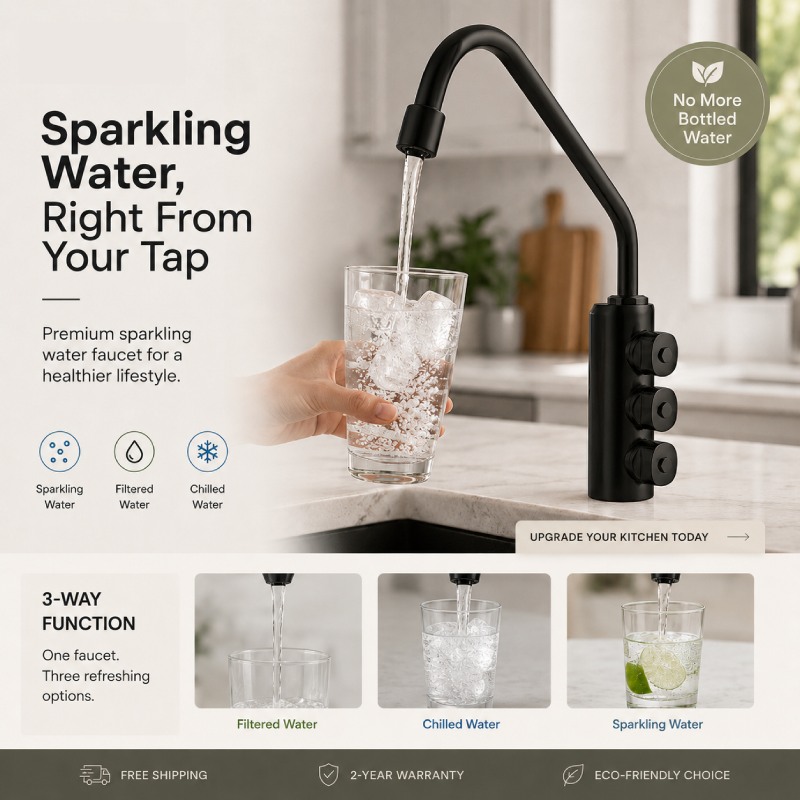
How to Get Sparkling Water on Tap at Home
If you want sparkling water on demand, there are a few options available. The most common solutions are under sink carbonators and countertop sparkling water dispensers. For those who value a clean kitchen and seamless user experience, under-sink systems are the ideal choice.
When it comes to sparkling water tap installation, the process is simpler than you might think. The system does not use plain tap water directly; instead, it passes the water through a built-in filter to ensure it is safe and tasty for direct drinking. A food-grade CO₂ cylinder, typically installed discreetly under the sink, adds the carbonation.
Using a high-quality system, you can enjoy one-touch dispensing—whether sparkling, chilled, hot, or plain filtered water. Efficient tap water carbonation technology ensures each glass is fresh, fizzy, and flavorful.
DIY Options vs Pre-Assembled Systems
- DIY CO₂ Injection: Suitable for budget-conscious users who enjoy hands-on projects. You’ll need to buy a carbonation cap, CO₂ cylinder, and connect to existing water lines. While affordable, it may create clutter under the sink, and carbonation strength can be inconsistent.
- Pre-Assembled Kitchen Systems: Designed for modern kitchens, these highly integrated systems offer precise temperature control, multiple water outputs (cold, hot, sparkling), and sleek all-in-one faucet designs. Though initially more expensive, they provide a convenient, high-quality experience for those who value performance and style.
Does Sparkling Water Use Tap Water?
Many first-time users wonder: does a sparkling water system use regular tap water? The answer is: no, it’s not plain tap water. Most home sparkling water systems incorporate a dedicated water filter, delivering water safe for direct consumption and enhancing the taste.
Common filtration options include:
- Activated Carbon Filter: Removes chlorine, odors, and some heavy metals, improving flavor.
- Ultrafiltration or Light Filtering (not strong RO): Retains beneficial minerals that help CO₂ adhere to the glass, creating rich bubbles while keeping the natural taste.
Note: Avoid using strong reverse osmosis (RO) systems. Excessively pure water lacks minerals, reducing CO₂ adherence and resulting in weak carbonation.
Through proper filtration, these systems ensure water safety while delivering crisp, bubbly, and flavorful sparkling water.
How Do Sparkling Water Taps Work?
Understanding how a sparkling water tap works can help you maximize your system. The core principle is simple: filtered water is cooled and infused with CO₂ under pressure, producing refreshing carbonated water instantly.
A typical home system includes three key components:
- Water Connection & Cooling Unit: Filters tap water and chills it to the optimal temperature for carbonation (usually 2°C–5°C).
- CO₂ Cylinder: Supplies food-grade carbon dioxide, usually installed under the sink.
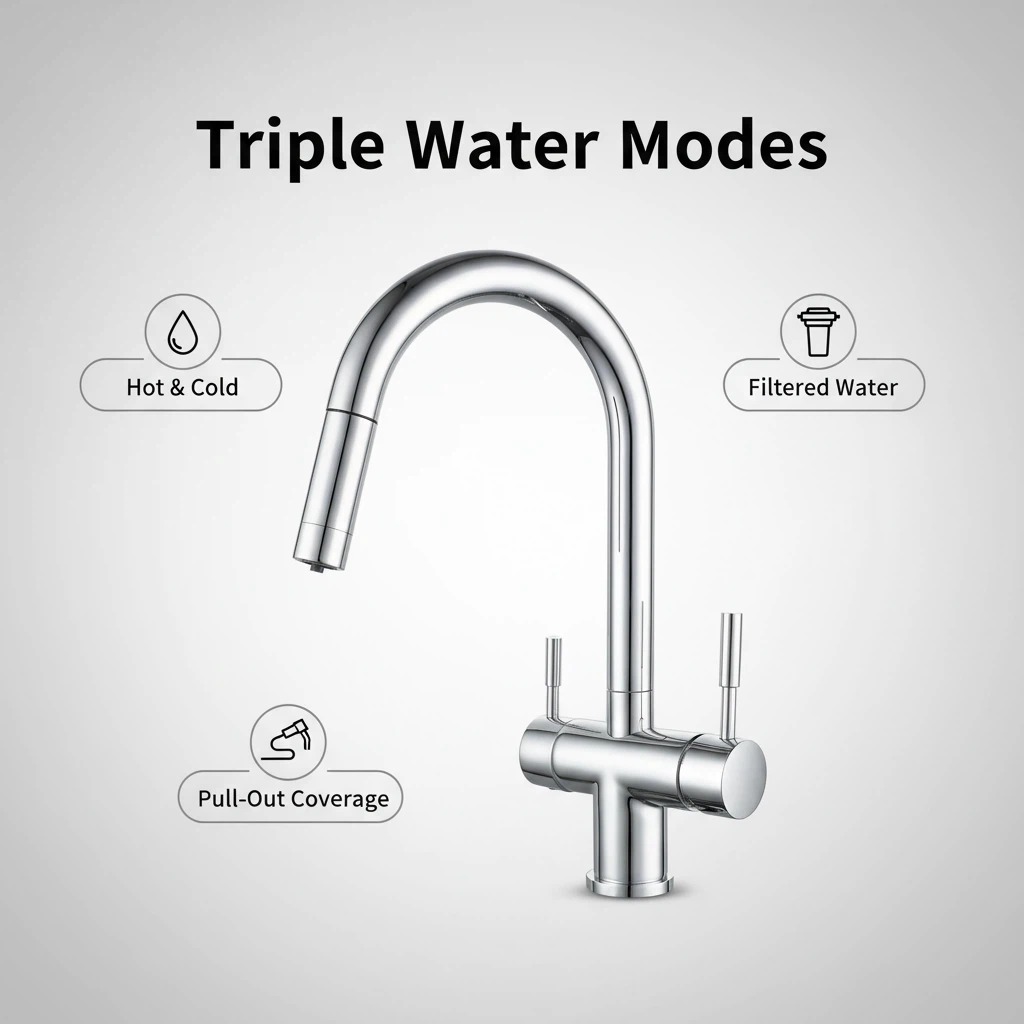
- Multi-Function Faucet: Controls the selection of sparkling, chilled, or plain water.
High-end systems let you adjust bubble intensity—from gentle to strong carbonation—and water temperature. With just a press of a button, you get perfectly carbonated water in seconds.
Is Sparkling Water Better Than Tap Water?
From a nutritional standpoint, filtered tap water and sparkling water contain similar minerals. However, sparkling water offers benefits that plain water cannot match:
- Enhanced Flavor: The bubbles make drinking water more enjoyable and can help reduce sugary beverage intake.
- Healthy Substitution: For those trying to avoid sodas or sweetened juices, carbonated water provides the same satisfying fizz without calories or sugar.
In daily routines:
- Hydration: Drink plain filtered water after exercise or in the morning for quick rehydration.
- Meal Companion: Enjoy sparkling water with meals or afternoon tea; add lemon or mint for flavor and a refreshing experience.
Is Sparkling Water Tap Water Healthy?
Filtered sparkling water is a healthy hydration option. It avoids the potential secondary contamination of tap water and delivers a fresh, enjoyable taste.
Two common health concerns are addressed by research:
- Dental Health: While slightly acidic, plain carbonated water has minimal effect on tooth enamel if sugar or acidic juices are not added.
- Digestive Health: For most people, carbonated water is harmless; moderate carbonation may even help swallowing and digestion.
Consumption Tips: Drink in moderation as part of your daily water intake. Safe for children and pregnant women; individuals with sensitive digestive systems should monitor tolerance and adjust intake.
Can Carbonated Water Cause Bloating?
Because carbonated water contains dissolved CO₂ gas, drinking it can cause temporary bloating or burping as the gas releases in the stomach.
Tips to minimize discomfort:
- Sip Slowly: Avoid gulping to reduce swallowed air.
- Lower Bubble Strength: Adjust the system from strong carbonation to gentle bubbles.
- Drink with Meals: Drinking on a full stomach reduces gas sensation.
For individuals with IBS or highly sensitive digestive systems, excessive carbonation may cause discomfort—opt for filtered water when needed.
Conclusion
A home sparkling water tap is more than a kitchen upgrade—it’s a convenient, healthy way for your family to stay hydrated while reducing single-use plastic waste.
For the best experience, choose a system with a high-quality filter that retains minerals, allowing CO₂ to adhere properly and produce optimal bubbles. Investing in a well-designed sparkling water system ensures safe, refreshing hydration for years to come.
FAQ
FAQ 1: Can I install a sparkling water tap myself?
Most under-sink systems can be installed by users with basic DIY skills. The water is filtered before entering the system, and installation involves connecting water lines and the CO₂ cylinder. Beginners should follow official guides or videos to ensure proper setup.
FAQ 2: Does sparkling water have more health benefits than tap water?
Its main advantage is taste and as a substitute for sugary drinks. Carbonated water is calorie-free and sugar-free; it does not provide additional nutrition over filtered tap water. Daily hydration and clean water source remain key.
FAQ 3: How often should I replace the CO₂ bottle?
Depending on usage and carbonation strength, a 5 kg cylinder typically lasts 1–2 months for an average household. Adjusting bubble intensity can extend the bottle life.
.jpeg?w=800&h=800)
.jpg?w=375&h=247)